
Osteoporosis is a medical condition where bones become thin, brittle, and also fragile due to a steady decline in mineral density. The early diagnosis of osteoporosis is the most effective way to prevent life-changing fractures by identifying the problem before a break occurs. Bone loss disease effectively weakens the internal scaffolding of the body, and this can make bones so porous that even a strong cough or a simple bend to pick up a grocery bag can cause a rib to crack or a vertebra to collapse. Because the process happens slowly over many years, people do not feel their bones getting weaker, which is why medical professionals refer to it as a silent bone disease.
In our younger years, specifically during childhood and through our twenties, the body makes new bone faster than it breaks down the old stuff. This results in an increase in bone density loss being non-existent, as we are actually gaining mass. Most people reach their peak bone mass by the time they are thirty, and after this point, the bone bank account starts to change, and the withdrawals (bone resorption) begin to happen slightly faster than the deposits (bone formation).
In a healthy individual, this imbalance is very small, but when a person has osteoporosis, the gap between what is lost and what is replaced becomes a wide chasm. The internal structure of the bone, which usually looks like a tight honeycomb, begins to show much larger holes, and the outer shell of the bone also thins out. And unfortunately, this structural decay directly means the bone can no longer support the weight or stress it once did.
Several factors speed up this process, and hormonal changes are a primary driver, also when it comes to women, the drop in oestrogen during menopause is a leading cause of rapid bone thinning, and for men, a gradual decline in testosterone can have a similar, though usually slower, effect. Other factors include genetics, certain medications like long-term steroids, and lifestyle choices such as smoking or heavy alcohol consumption. When these factors combine, the skeleton loses its resilience, and this can lead to the condition we treat regularly at EMC Hospital.
The most challenging aspect of this condition is that it does not have a warning light, so you cannot feel your bones thinning. And this lack of symptoms is why it is widely known as a silent bone disease.
Most people live their lives completely unaware that their skeletal strength is evaporating, and they go for walks, attend family events, and perform household chores without any discomfort. The silence remains until the very moment a bone breaks, and these are not typical fractures caused by high-impact car accidents or falls from great heights. Instead of that, they are fragility fractures, and this means the bone breaks under a level of pressure that would not hurt a healthy person.
Waiting for a fracture to happen before seeking help is a risky strategy. This is why the early diagnosis of osteoporosis is vital for long-term health. When we catch the disease in its early stages, or even in the precursor stage known as osteopenia, we have a much better chance of protecting the patient’s lifestyle and mobility.
Diagnosis can be made through a procuring DEXA machine in EMC. This is a quick, painless, and non-invasive test that measures the mineral content in specific areas of your bone, usually the hip and the lower spine. The results are given as a T-score, which compares your bone density to that of a healthy young adult.
If we identify the thinning early, we can implement an osteoporosis treatment plan that strengthens the bone and lowers the risk of future breaks. See, the primary goal of early intervention is fracture prevention itself. A hip fracture, in particular, can be devastating for an older person, frequently leading to a loss of independence and a decline in overall physical health. By diagnosing the issue before that first fall occurs, we can keep patients on their feet and active in their communities.
While we have established that it is a silent condition, there are some subtle clues that might suggest your bones are struggling. These are not traditional osteoporosis symptoms like pain, but rather physical changes that you or your family might notice over time.
One of the most telling warning signs of osteoporosis is a loss of height. If you find that you are an inch or two shorter than you were in your youth, it may be because the bones in your spine have started to compress, and this compression happens when the vertebrae become too weak to support the weight of the upper body.
Another sign of osteoporosis is a change in posture, specifically a curving of the upper back. This is sometimes called a dowager's hump or kyphosis, and it occurs when the front of the spinal bones collapses, causing the spine to tilt forward.
You might also notice a sudden, sharp back pain that doesn't seem to have a clear cause, and this could be a silent vertebral fracture. While some spinal fractures are painless, others cause a nagging ache that people often mistake for a simple muscle strain.
Finally, a very weak grip strength or receding gums can sometimes be linked to lower bone mineral density. If you notice any of these changes, we recommend visiting us for a professional assessment, and identifying these subtle shifts is the first step toward the early diagnosis of osteoporosis.
While some risk factors like age and genetics are out of our control, osteoporosis prevention is largely possible through consistent lifestyle habits. The goal is to build as much bone as possible while young and then slow down the loss as we age.
Calcium is the building block of bone, and you need a steady supply throughout your life. Dairy products are well-known sources, but leafy greens, sardines, and fortified cereals are also excellent choices.
It is important to understand that without enough Vitamin D, your body cannot absorb the calcium you eat. Sunlight is the best source, but in many climates, a supplement is necessary, especially during the winter months.
Bones respond to stress by getting stronger, and activities where you move against gravity, such as walking, jogging, dancing, or climbing stairs, encourage the body to knit more bone tissue.
Lifting weights or using resistance bands strengthens the muscles, which in turn pull on the bones, stimulating growth. It also improves balance, which is essential for preventing the falls that lead to fractures.
Smoking is toxic to bone cells, and excessive alcohol interferes with the balance of calcium in the body. Reducing or eliminating these habits makes a world of difference.
If a diagnosis is confirmed, there are several effective paths for osteoporosis treatment.
The most common medications used are bisphosphonates, and these drugs work by slowing down the cells that break down bone, allowing the bone-building cells to keep up more effectively. These bisphosphonates can be taken as tablets or via an injection. For those with more advanced bone loss, there are newer medications that actively stimulate the body to build new bone, rather than just slowing the loss.
Hormone-related therapies are also an option for some women, mainly those going through menopause, as replacing oestrogen can help maintain bone thickness. However, this is always balanced against other health considerations.
Beyond medication, we focus on fall prevention. This includes physical therapy to improve balance and core strength. We also advise patients on making their homes safer, such as removing loose rugs, installing grab bars in bathrooms, and ensuring all areas are well-lit.
Managing this condition is a long-term commitment, and with the right combination of medicine, diet, and movement, many people with osteoporosis live full, active lives without ever experiencing a fracture.
Contact us at EMC Cochin to schedule a consultation and take the first step toward protecting your mobility.
Q1: Can men get osteoporosis?
A1: Yes, men can definitely develop osteoporosis. While it is more common in women due to hormonal changes after menopause, men also lose bone density as they age, particularly if they have low testosterone levels or other lifestyle risk factors.
Q2: Is a DEXA scan painful?
A2: No, a DEXA scan is entirely painless and non-invasive. You simply lie on a padded table while a scanning arm passes over your body to take images, and the whole process usually takes less than twenty minutes.
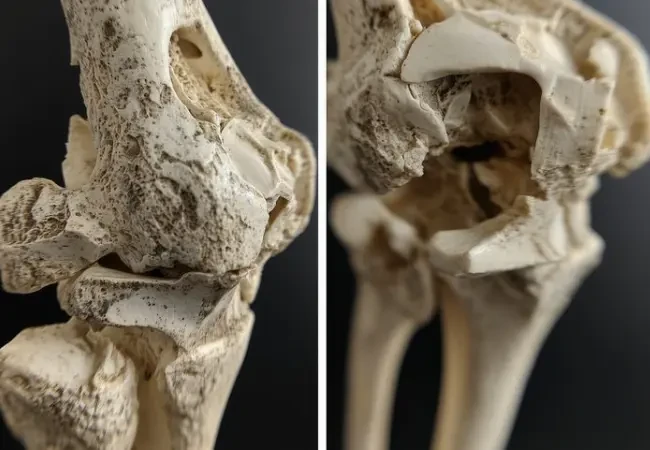
Discover reliable UPS battery suppliers in Oman offering high-quality backup power solutions, DC battery banks, and expert technical support for commercial and industrial operations.

Understand high-risk pregnancy, its common causes, potential complications, warning signs, and essential preventive care for a safer motherhood journey.
Recognize the early symptoms of hernia, including swelling, pain, and abdominal discomfort. Learn the causes, warning signs, and when to seek medical attention.
Learn the early symptoms of common urological disorders including UTIs, bladder problems, and prostate issues. Know when to seek medical help.

Discover how career counselling helps students choose the right path with aptitude tests, expert guidance, and informed decision-making for a successful future.

Discover why children snore, signs of sleep apnea, health risks, and the best treatment options to improve your child's sleep and breathing.

Learn the early warning signs of a heart attack, key symptoms, cardiac arrest differences, risk factors, and prevention tips to protect your heart and act fast in emergencies.
Learn early signs of kidney disease, key symptoms, risk factors, and when to consult a nephrologist for timely diagnosis and better treatment outcomes.
Discover the truth behind common plastic surgery myths. Learn what's real, what's outdated, and how modern procedures truly work.
A step-by-step overview of GI surgery, covering what to do before surgery, what happens in the OR, and how to ensure a strong recovery.
 Mail
Mail  Booking
 WhatApp
  Call
Call