
You identify a kidney stone by watching for a sharp, severe wave-like pain in your back or side, blood in your urine, or a burning feeling when you pass urine. The pain can radiate to the groin and may be accompanied by nausea and vomiting. This guide walks through why stones form, how to read the warning signs properly, and what treatment usually looks like once a diagnosis is confirmed.
Kidney stones are common. Anyone can develop kidney stones, although factors such as diet, hydration, genetics, and certain medical conditions can increase the risk. Modern routines, salty food, high protein diet, obesity, diabetes, not drinking enough water throughout the day have made stones more common. Catching the signs early makes a real difference, because a stone left untreated can lead to complications.
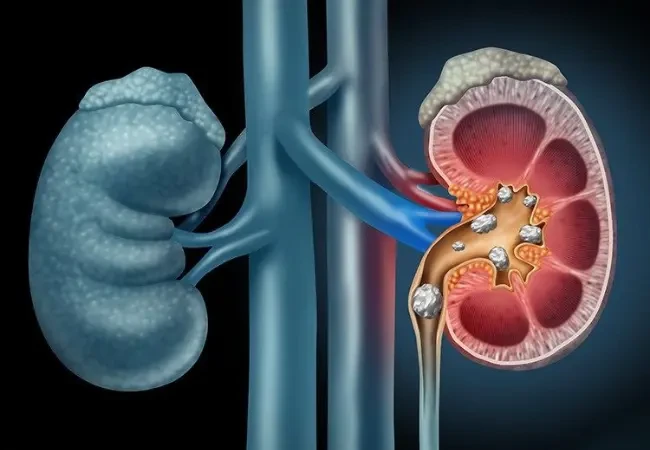
Kidney stones form when minerals and salts in the urine clump together and harden into a solid mass. This happens when urine becomes too concentrated, giving those minerals less liquid to dissolve in. Once a stone forms, it may sit quietly inside the kidney for a while, or it can begin moving through the ureter, the narrow tube connecting the kidney to the bladder. That narrow passage is exactly why even a small stone can cause such sharp pain as it travels through.
This is the most common reason stones develop. When fluid intake is low, urine becomes concentrated, and minerals crystallise far more easily than they would in diluted urine.
A diet heavy in salt, sugar, or animal protein raises the risk noticeably. Foods high in oxalates, such as spinach, nuts, and chocolate, can also contribute to calcium oxalate stones, which happen to be the most frequent.
Some hereditary conditions make a person more prone to forming stones repeatedly throughout life.
Several medical issues make stone formation more likely, including:
Taking large amounts of calcium supplements, vitamin D, or certain diuretics can push up the risk in some people. It's worth mentioning any regular supplements to your doctor if you have had a stone before.
Recognising kidney stone symptoms early is important. The classic sign is a sharp pain that starts in the back or side, just below the ribs, and often spreads towards the lower abdomen or groin. This pain doesn't stay constant, it may come and go in waves, growing more intense as the stone shifts position. It may be associated with vomiting or blood in urine.
Alongside the pain, look out for:
Not every case shows every symptom. Smaller stones sometimes pass with mild discomfort, while larger ones can cause severe pain. If you notice blood in your urine even once, that's reason enough to get checked rather than wait and see.
Calcium Stones
The most common type by far, usually made of calcium oxalate. A diet heavy in oxalate-rich foods, too much vitamin D, or certain metabolic conditions can all push these stones to form.
Uric Acid Stones
These show up when urine turns overly acidic. High-protein eating, diabetes, and not drinking enough water over long stretches all raise the odds of this type.
Struvite Stones
Usually a knock-on effect of urinary tract infections, and they can grow surprisingly large before causing any noticeable symptoms. That's exactly why people prone to infections benefit from regular check-ups.
Cystine Stones
It causes the kidneys to let too much cystine escape into the urine, which then crystallises into stones.
How Doctors Diagnose Kidney Stones
Diagnosis usually begins with a simple conversation. This will be about what you have been experiencing and your medical history, followed by a physical check. From there, doctors will typically turn to a few tests to confirm what's going on:
Getting the diagnosis right is important. The treatment can look quite different depending on the size, type, position of the stone, and complication.
When the Stone Can Pass on Its Own
Surgery isn't always needed, especially with smaller stones. Doctors usually suggest drinking two to three litres of water a day, using pain relief like NSAIDs to get through the discomfort, and in some cases prescribing an alpha-blocker as part of Medical Expulsive Therapy (MET) to relax the ureter so the stone moves through more easily.
When a Procedure Is Needed
Larger or more troublesome stones may require intervention:
Shock Wave Lithotripsy (SWL) uses sound waves from outside the body to break the stone into smaller pieces. These pieces can pass naturally.
Ureteroscopy involves a thin scope passed through the ureter to remove or break up the stone, often using a laser.
Percutaneous Nephrolithotomy (PCNL) is used for larger or more complex stones and this also involves a small incision to remove the stone directly.
RIRS (Retrograde Intrarenal Surgery) - flexible scope is passed into kidney from urethra and ureter into the kidney to break and remove kidney stones
Once you have had one stone, the chances of another rise, so prevention becomes part of ongoing care. Helpful habits include:
If you notice sharp pain that comes in waves, blood in your urine, or a fever alongside urinary discomfort, it's best not to wait it out at home. Kidney stone symptoms can look mild at first and escalate quickly, particularly if an infection develops alongside the stone. Special care should be given to elderly patients, diabetics and those having kidney dysfunction.
Kidney stones are manageable, and most people recover fully with the right treatment and a few lasting changes to daily habits. If you're noticing symptoms, or you've had stones before and want to avoid another episode, we at EMC are here to help. Our team can guide you through diagnosis, treatment, and long-term prevention suited to your situation. Reach out to us through EMC Hospital to book a consultation.
Q1: What does kidney stone pain feel like?
A1: Sharp, cramping, and it comes in waves rather than staying constant. Most people feel it in the back or side first, then it creeps down towards the belly or groin as the stone shifts position.
Q2: Can kidney stones go away without treatment?
A2: Sometimes, yes. If the stone is small, drinking a good amount of water and taking painkillers is often enough to help it pass on its own within a few days or weeks. But if the pain gets severe, a fever kicks in, or you can't pass urine properly, that's not something to wait out at home. A doctor may need to step in with lithotripsy or a small procedure to clear it.
Q3: Are kidney stones more common in men or women?
A3: Traditionally more common in men, but that's been shifting. Estrogen (female hormone) appears to have a protective effect against some kidney stones.
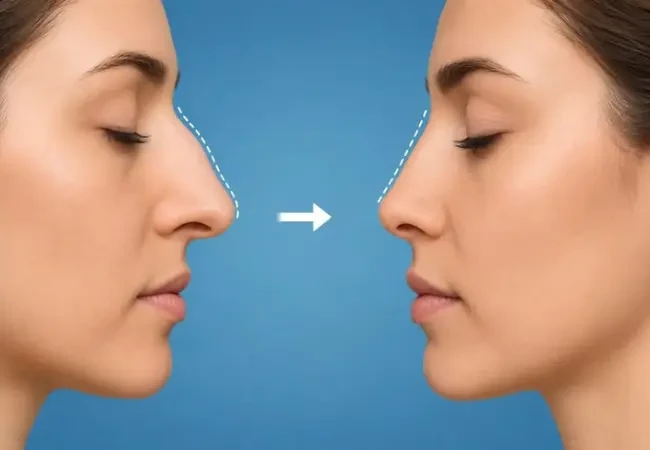
Discover how rhinoplasty and septorhinoplasty can reshape the nose, correct nasal issues, and improve both appearance and breathing.
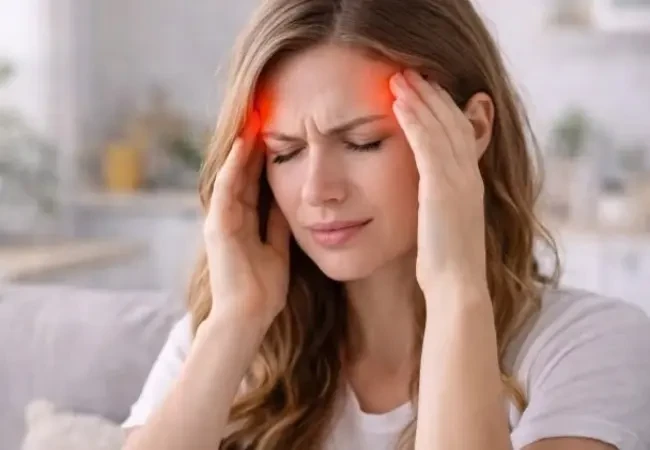
Understand migraine symptoms, how they differ from common headaches, common migraine types, warning signs, and when to seek medical care.
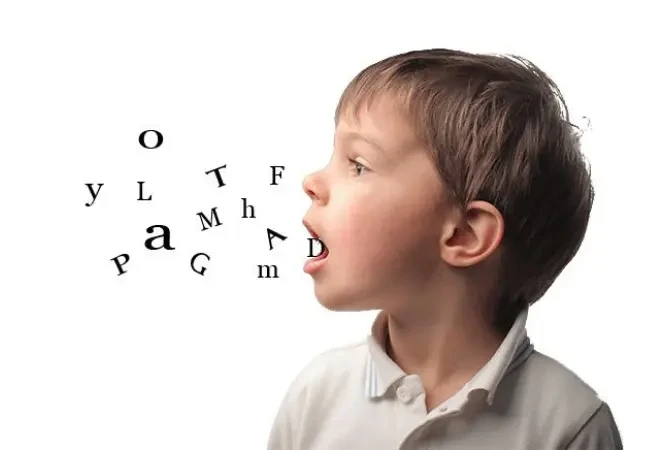
Learn about key speech milestones by age and discover how to support your child's speech and language development at home.
Gender affirmation surgery explained - the process, the risks, and what recovery really looks like, with guidance from EMC Hospital.

Learn the best snake bite treatment, including first aid, emergency care, antivenom, symptoms, and essential steps to take after a snake bite.
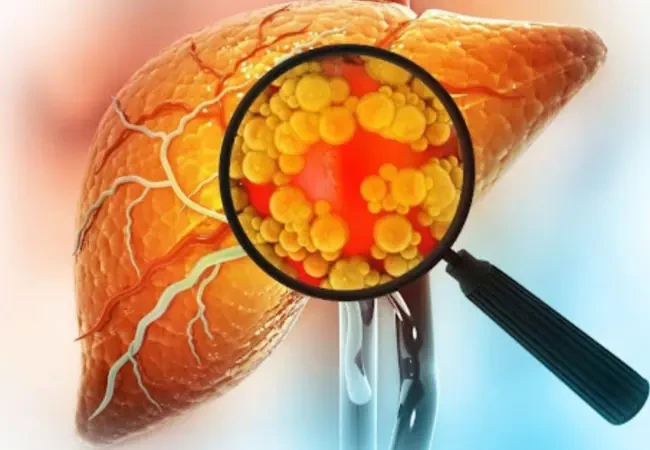
Learn why fatty liver disease is increasing among young adults, the key risk factors, early warning signs, and steps to support better liver health.
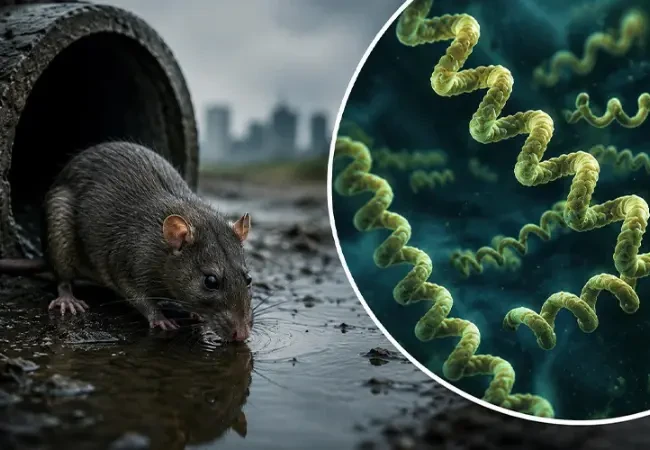
Leptospirosis cases rise sharply during monsoon due to floodwater and rat urine exposure. Learn the symptoms, causes, treatment and prevention tips here.

Healthcare banner illustrating thyroid disorders in women with hormone balance, thyroid screening, and early diagnosis concepts.
Learn how to identify kidney stones, recognize early symptoms, understand the causes, diagnosis, treatment options, and tips to prevent recurrence.
Learn the 10 warning signs you should never ignore, from unexplained weight loss to persistent cough and chest pain. Know when to seek medical attention.

 Mail
Mail  Booking
 WhatApp