
 Medically reviewed by: Dr. M Suma , Consultant Paediatrician - Written by Riya Yacob - Updated on 28/9/2026
Most children start babbling by around 6 months and begin saying their first words at about 12 months. Children will combine two words by age 2, and speak in short sentences by age 3. Normal child speech development varies from one child to another, so small differences in timing are common. However, a lack of babbling, no words by 18 months, or difficulty being understood by age 3 are signs worth discussing with a doctor.
| Age | What You Might Notice |
| 0 to 6 months | Cooing, gurgling, and responding to familiar voices |
| 6 to 12 months | Babbling sounds, first gestures like waving |
| 12 to 18 months | First real words, understanding simple instructions |
| 18 to 24 months | Vocabulary of 20 to 50 words. Children will also start to combine two words |
| 2 to 3 years | Short sentences, asking simple questions, being understood by family |
| 3 to 4 years | Longer sentences, clearer speech, understood by strangers most of the time |
Every parent has had that quiet moment of wondering whether their child is talking as much as they should be. Understanding child speech development is not about comparing your child, but about knowing the general pattern so you can notice when something genuinely looks different. At EMC Hospital, we meet families regularly who simply want reassurance, and sometimes a proper check, about whether their child's speech is developing as expected.
This guide explains the usual speech and language milestones from birth to the early school years, what falls within a normal range, and the signs that suggest it may be worth booking an assessment.
Before looking at specific ages, it helps to separate two things that often get mixed up: speech and language. Language is the broader ability to understand and use those words to communicate ideas. A child can be strong in one area and slightly behind in the other, which is why speech development in children is usually assessed as a combination of both.
Children are not machines, and their language development milestones rarely arrive exactly on schedule. Factors such as how much a child is spoken to at home, whether they are being raised bilingual, birth order, and even personality can all shift the timeline slightly. A quieter child who listens carefully is not necessarily behind; some children simply talk later and then catch up quickly.
In these early months, babies communicate mostly through crying, cooing, and turning towards familiar voices. This is the foundation stage, where listening skills are being built even though no real words appear yet.
Babbling becomes more noticeable during this period, with repeated sounds such as "ba-ba" or "ma-ma" appearing more often. Many babies also start using gestures, like pointing or waving, to communicate before their first real word arrives.
12 to 24 Months
This stretch is often where parents pay closest attention, and for good reason. Toddler speech milestones during this window include:
2 to 3 Years
Most children move beyond single words and begin using short phrases and simple sentences between ages 2 and 3. Vocabulary grows quickly, sometimes by several new words a week, and family members can usually understand most of what the child says.
3 to 4 Years
Sentences become longer and grammar starts to sound more adult-like, even with the occasional mix-up. A stranger, not just a parent, should be able to understand the majority of what the child says by this stage.
4 to 5 Years
Children at this age can usually tell a short story, answer questions about their day, and use more complex sentence structures. Speech clarity continues to improve, though small sound errors on certain letters are still common and not usually a concern.
Every child develops differently, but certain patterns are worth mentioning to a health professional rather than simply waiting to see what happens:
None of these signs automatically mean there is a serious problem, but they are worth raising early rather than assuming your child will simply grow out of it.
If you notice several of the signs mentioned above, or simply have a nagging feeling that something is not quite right, it is worth arranging an assessment. A speech and language specialist can properly evaluate where your child sits against typical speech and language milestones and recommend support if needed. Early input tends to make a noticeable difference, so there is little benefit in waiting for a problem to resolve on its own if concerns persist for more than a few months.
Most children move through babbling, first words, short phrases, and full sentences at their own pace, and some variation along the way is completely normal. Paying attention to the broader pattern, rather than a single missed date, is the most useful way to judge whether child speech development is on track. When in doubt, a conversation with a specialist costs little and often brings real peace of mind.
If you have concerns about your child's speech development, our paediatric team at EMC Hospital is here to help with a proper assessment and clear next steps. Visit emccochin.com to book a consultation with us today.
Q1: At what age should a child say their first word?
A1: Most children say their first clear word around 12 months of age, though anywhere between 10 and 14 months is generally considered typical.
Q2: Is it normal for a bilingual child to speak later than others?
A2: Yes, children learning two languages at once sometimes reach individual milestones slightly later than children learning one language, but their combined vocabulary across both languages is usually in line with expectations, and this is considered a normal pattern rather than a delay.
Q3: What should I do if my toddler isn't talking yet?
A3: If your toddler shows little to no babbling, gestures, or words by around 18 months, it is worth discussing this with your paediatrician or a speech and language therapist for a proper assessment.
Q4: Can hearing problems affect speech development?
A4: Yes, hearing difficulties are one of the more common causes of delayed speech, which is why hearing checks are often one of the first steps when a delay is suspected.
Q5: Do speech delays always mean a lifelong problem?
A5: No, many children with an early speech delay catch up fully, particularly when the delay is identified and supported early, though some children do benefit from ongoing therapy depending on the underlying cause.

Discover how rhinoplasty and septorhinoplasty can reshape the nose, correct nasal issues, and improve both appearance and breathing.

Understand migraine symptoms, how they differ from common headaches, common migraine types, warning signs, and when to seek medical care.
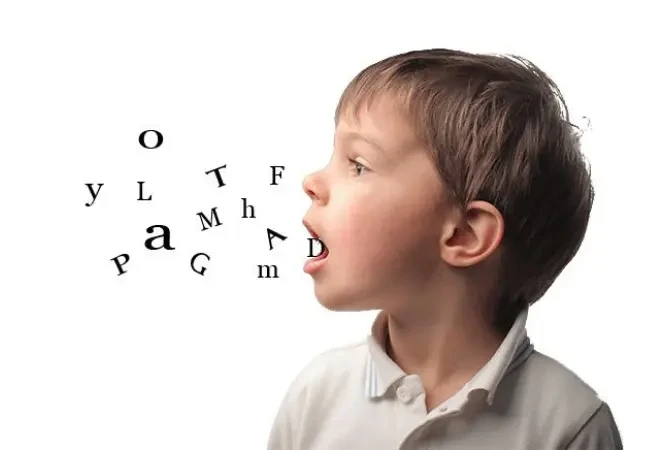
Learn about key speech milestones by age and discover how to support your child's speech and language development at home.

Gender affirmation surgery explained - the process, the risks, and what recovery really looks like, with guidance from EMC Hospital.

Learn the best snake bite treatment, including first aid, emergency care, antivenom, symptoms, and essential steps to take after a snake bite.

Learn why fatty liver disease is increasing among young adults, the key risk factors, early warning signs, and steps to support better liver health.

Leptospirosis cases rise sharply during monsoon due to floodwater and rat urine exposure. Learn the symptoms, causes, treatment and prevention tips here.

Healthcare banner illustrating thyroid disorders in women with hormone balance, thyroid screening, and early diagnosis concepts.
Learn how to identify kidney stones, recognize early symptoms, understand the causes, diagnosis, treatment options, and tips to prevent recurrence.

Learn the 10 warning signs you should never ignore, from unexplained weight loss to persistent cough and chest pain. Know when to seek medical attention.

 Mail
Mail  Booking
 WhatApp