
The best snake bite treatment is to keep the person calm and still, remove tight clothing near the bite, immobilise the limb, and get to hospital quickly for anti-snake venom if needed. There is no reliable home remedy. Cutting the wound, sucking venom, or applying ice does not work and can make things worse. Speed to proper medical care matters more than anything done at the scene.
Snake bites are far more common than most people assume, and many victims never actually see the snake that bit them. Getting the snake bite treatment right in the first hour can be the difference between a full recovery and lasting damage. This guide covers what helps, what to avoid, and when hospital care becomes urgent. If someone nearby has been bitten, our emergency team at EMC Cochin is equipped to manage venomous bites around the clock, so getting there quickly should always come first.
Kerala sees its share of snake encounters, particularly during the monsoon months when snakes move to drier ground near homes and farmland. Knowing snake bite first aid beforehand means you won't be searching for answers while someone is in pain and frightened.
Not every bite injects venom. A fair share from venomous species are "dry bites", where no venom enters the body. Even so, every bite deserves medical attention, since telling one from the other isn't easy.
Common snake bite symptoms include:
If any of these appear, seek emergency snake bite treatment rather than waiting to see how things develop.
Good snake bite first aid is mostly about staying calm and limiting movement.
Old advice on first aid for snake bite still circulates widely, and much of it causes harm. Cutting the wound, sucking venom, tying a tight tourniquet, applying ice, or giving alcohol or tea are all common mistakes people make while waiting for help. None of them remove venom, and several make the injury worse. As part of any proper snake bite treatment guide, the table below sums up what to do and what to skip entirely.
| Action | Recommended | Why |
| Keep the person still | Yes | Slows venom spread |
| Immobilise the limb with a splint | Yes | Limits movement, keeps circulation intact |
| Apply a tight tournique | No | Damages tissue, doesn't stop venom |
| Cut the wound or suck venom out | No | Raises infection risk, no benefit |
| Apply ice or cold water | No | Can worsen tissue injury |
| Transport to hospital promptly | Yes | Only route to antivenom |
Once the patient arrives, the emergency treatment for snake bite begins with assessment. Doctors check vital snake bite signs, examine the bite site, and run blood tests to check clotting, one of the clearest signs of envenoming. The patient is then observed closely for several hours, even if symptoms seem mild at first, since some venoms act slowly. Pain relief, wound cleaning, and tetanus prophylaxis are given as standard care.
Not every patient needs antivenom. That decision depends on symptoms, blood results, and how the wound progresses over the observation period.
Anti-snake venom treatment (also called antivenom or ASV) remains the only medically proven way to neutralise venom in the body. It's made by injecting small, controlled amounts of venom into animals such as horses, which generate antibodies. Those antibodies are then purified for use in human patients.
A few points worth knowing on poisonous snake bite treatment is that it works best when given early, ideally within a few hours of the bite. It's given intravenously in hospital, under observation, since allergic reactions can occur. The dose depends on how severe the envenoming is, not the patient's body weight, which surprises many people. Polyvalent antivenom, effective against the major venomous species in a region, is what's typically used across India.
According to the World Health Organization, between roughly 81,000 and 138,000 people die from snake bites globally each year (World Health Organization, Snakebite Envenoming Fact Sheet). That figure alone shows why fast, appropriate venomous snake bite treatment matters, particularly in states like Kerala where farming brings people into regular contact with snakes.
Recovery doesn't end once antivenom has been given. Proper snake bite management continues with follow-up care, since kidney changes or delayed allergic reactions can appear days later. Patients are usually advised to attend follow-up appointments, watch the wound for infection, and avoid strenuous activity on the affected limb until fully healed. Rehabilitation support is arranged where the bite has caused tissue damage, so patients aren't left to manage lasting effects alone.
Q1: Can you die from a snake bite if you don't get treatment?
A1: Yes, a venomous bite left untreated can be fatal, particularly from species that affect breathing or blood clotting. Reaching hospital quickly gives doctors the best chance to intervene before venom causes serious harm.
Q2: How do I know if a snake bite is venomous or not?
A2: You usually can't tell just by looking. Some venomous bites show little swelling at first, while non-venomous ones can still cause pain and infection. Since symptoms alone aren't reliable, every bite should be assessed by a doctor.
Q3: Is it safe to wash a snake bite wound with water before reaching the hospital?
A3: If the wound is visibly dirty, it can be gently cleaned with clean water. Avoid vigorous scrubbing, cutting the wound, or applying creams, herbs, chemicals, or antiseptics. The priority is keeping the person still and getting to hospital quickly.
Most of what helps after a snake bite comes down to a few simple actions: stay calm, keep the limb still, skip the home remedies, and get to hospital without delay. The rest, including any decision about antivenom, belongs with trained medical staff. Knowing this in advance means you're prepared, not panicked, if it ever happens nearby.
If you are dealing with a snake bite emergency or want to know more about how we handle these cases, reach out to our emergency care team at EMC Cochin. The dedicated team at EMC Hospital are set up to provide timely antivenom treatment and full follow-up care, day or night.
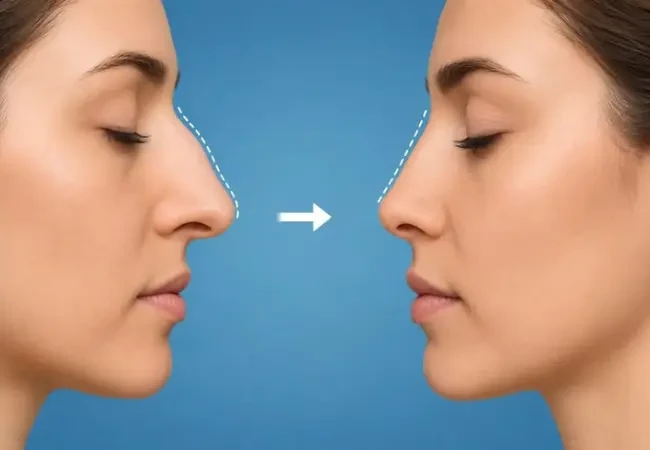
Discover how rhinoplasty and septorhinoplasty can reshape the nose, correct nasal issues, and improve both appearance and breathing.

Understand migraine symptoms, how they differ from common headaches, common migraine types, warning signs, and when to seek medical care.
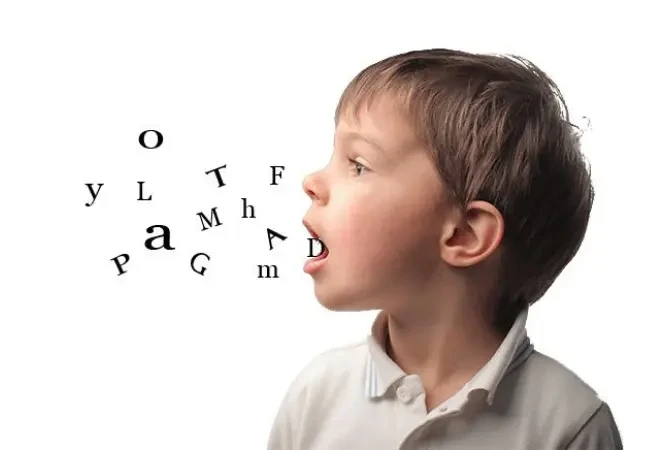
Learn about key speech milestones by age and discover how to support your child's speech and language development at home.
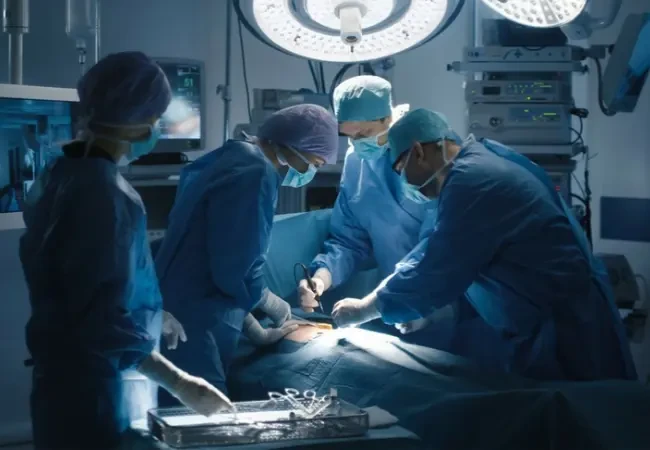
Gender affirmation surgery explained - the process, the risks, and what recovery really looks like, with guidance from EMC Hospital.
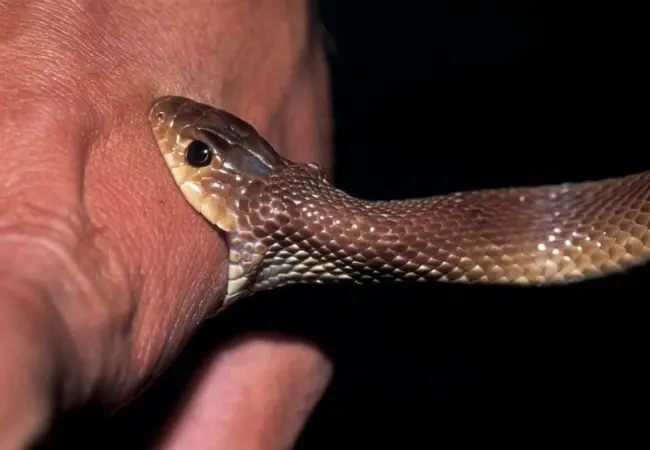
Learn the best snake bite treatment, including first aid, emergency care, antivenom, symptoms, and essential steps to take after a snake bite.
Learn why fatty liver disease is increasing among young adults, the key risk factors, early warning signs, and steps to support better liver health.
Leptospirosis cases rise sharply during monsoon due to floodwater and rat urine exposure. Learn the symptoms, causes, treatment and prevention tips here.
Healthcare banner illustrating thyroid disorders in women with hormone balance, thyroid screening, and early diagnosis concepts.
Learn how to identify kidney stones, recognize early symptoms, understand the causes, diagnosis, treatment options, and tips to prevent recurrence.
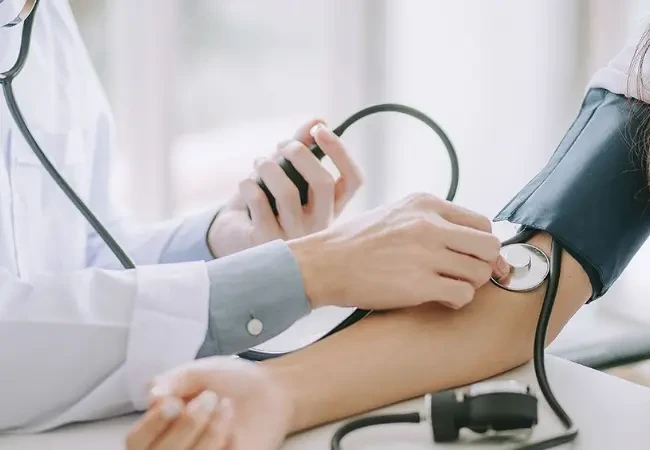
Learn the 10 warning signs you should never ignore, from unexplained weight loss to persistent cough and chest pain. Know when to seek medical attention.

 Mail
Mail  Booking
 WhatApp