
 Medically reviewed by: Dr. Sharun Abey Kurian , consultant plastic, reconstructive, and aesthetic surgeon - Written by Riya Yacob - Updated on 17/9/2026
Gender affirmation surgery is a set of surgical procedures that help a person's body match their gender identity. It may involve the chest, face, voice box or genitals, depending on what a patient needs. Also called gender confirmation surgery or gender reassignment surgery, it is usually one part of a longer path of gender affirming care that includes counselling, hormone therapy and ongoing medical support.
Choosing whether to undergo gender affirmation surgery is an individual decision that should be made after discussing the available options, benefits, risks, and expected outcomes with qualified healthcare professionals. For many people it comes after months, sometimes years, of thought, conversations with family, and time spent with doctors and counsellors. This piece looks at what the surgery actually involves, who tends to qualify for it, and what the weeks after the operation usually look like. If you are trying to understand your own options, our team at EMC Hospital can help you understand the medical side of things in a way that fits your situation, not a generic checklist. Whether you have already started hormone therapy or you are still gathering information, this article is written to answer the questions that come up most often.
At its core, gender affirmation surgery is a way to bring a person's physical body closer to their internal sense of gender. The terms used can vary, but gender-affirming surgery is now widely used in clinical and patient-facing contexts. The surgery itself is not one operation but a group of possible procedures, and a patient might have one, several, or none of them, depending on what feels right for their own body and life.
Words like transgender surgery or gender affirming procedures get used loosely online, which can confuse people early in their journey. In a clinical setting, each term usually points to a specific category of operation, and a good surgeon will walk through exactly which one applies before any consent form is signed.
Broadly speaking, procedures fall into a few groups.
Not everyone wants or needs all of these. Some people choose only hormone therapy and never pursue surgery, and that is a valid path too.
Eligibility is not just about age or paperwork. Eligibility and pre-surgical requirements vary according to the procedure, the patient's health, and the standards followed by the treating team. Assessment may include discussions with qualified mental health professionals, medical evaluation, informed consent, and review of hormone therapy where relevant. Some procedures may have additional requirements before surgery. This is not meant as a barrier for its own sake. It exists so that patients enter the operating theatre with realistic expectations and proper support already in place.
The Surgical Process
| Stage | What Happens |
| Consultation | Discussion of goals, procedure options, risks and expected outcomes |
| Pre-operative assessment | Medical evaluation, investigations and procedure-specific preparation |
| Surgery | Procedure performed under the appropriate type of anaesthesia |
| Hospital stay | Monitoring and initial recovery, depending on the procedure |
| Follow-up care | Wound care, monitoring and rehabilitation where required |
No surgery is without risk, and it would not be honest to pretend otherwise. Bleeding, infection, and reactions to anaesthesia are possible with any major operation. Procedures involving the genitals carry additional risks such as changes in sensation, scarring, or the need for a second corrective surgery later on.
Mental health support after surgery is just as important as the physical care. Some patients experience a difficult emotional adjustment even when the surgery itself goes well, so a hospital that keeps counselling available after discharge is worth asking about.
Recovery timelines depend heavily on which procedure was done.Recovery varies substantially by procedure. Some patients may resume light daily activities within a few weeks, while procedures involving genital reconstruction can require several weeks or longer before returning to work and considerably longer before full recovery. Your surgeon will provide procedure-specific restrictions and milestones after gender affirmation surgery. Swelling and bruising are normal in the first fortnight. Follow-up appointments are scheduled according to the procedure and individual recovery, with the first review often taking place soon after surgery.
Access to gender-affirming healthcare in India varies between regions and healthcare providers. Patients may find differences in the availability of experienced surgeons, multidisciplinary teams, mental health professionals, endocrinologists, and post-operative support. Choose a hospital with a qualified plastic surgeon, appropriate facilities for holistic care, follow up and reasonable cost.
Q1: Is gender affirmation surgery reversible?
A1: Most procedures are considered permanent, particularly genital surgery, so patients are encouraged to take time before deciding and to discuss the permanence of each option with their surgeon.
Q2: How much does gender confirmation surgery cost in India?
A2: The cost varies considerably depending on the gender affirmation surgery procedure, surgeon, hospital, anaesthesia, length of hospital stay, investigations, medications, and follow-up care. Patients should request a detailed estimate from their hospital before proceeding gender affirmation surgery.
Q3: Will I need more than one surgery?
A3: Some patients need a single procedure, others plan a staged approach across a few years, moving through chest, facial and genital surgery at their own pace.
Gender affirmation surgery is a personal decision, and there is no single correct timeline for making it. What matters most is working with a team that explains each stage honestly, from the first consultation through months of recovery, and that treats mental health support as part of the medical plan rather than an afterthought. If you are exploring gender affirming procedures and want a straightforward conversation about what might suit your situation, reach out to EMC Hospital to arrange a consultation with our team. We are happy to answer questions at whatever stage you are at, whether that means a first conversation or planning your next surgical step.


Discover how rhinoplasty and septorhinoplasty can reshape the nose, correct nasal issues, and improve both appearance and breathing.

Understand migraine symptoms, how they differ from common headaches, common migraine types, warning signs, and when to seek medical care.

Learn about key speech milestones by age and discover how to support your child's speech and language development at home.
Gender affirmation surgery explained - the process, the risks, and what recovery really looks like, with guidance from EMC Hospital.

Learn the best snake bite treatment, including first aid, emergency care, antivenom, symptoms, and essential steps to take after a snake bite.
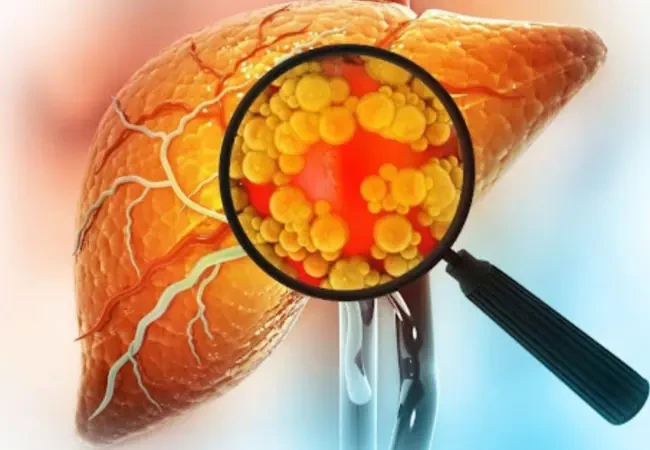
Learn why fatty liver disease is increasing among young adults, the key risk factors, early warning signs, and steps to support better liver health.

Leptospirosis cases rise sharply during monsoon due to floodwater and rat urine exposure. Learn the symptoms, causes, treatment and prevention tips here.

Healthcare banner illustrating thyroid disorders in women with hormone balance, thyroid screening, and early diagnosis concepts.
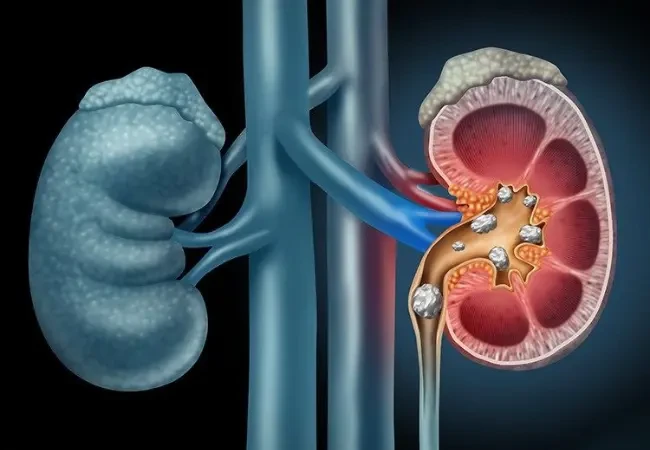
Learn how to identify kidney stones, recognize early symptoms, understand the causes, diagnosis, treatment options, and tips to prevent recurrence.

Learn the 10 warning signs you should never ignore, from unexplained weight loss to persistent cough and chest pain. Know when to seek medical attention.

 Mail
Mail  Booking
 WhatApp