
 Medically reviewed by: Dr. Marina Varghese , Consultant in Obstetrics & Gynaecology - Written by Riya Yacob - Updated on 30/6/2026
PCOS cases are increasing in young women largely because of lifestyle changes, including poor diet, sedentary habits, chronic stress, and disrupted sleep, all of which can interfere with how the body produces hormones, how hormones are regulated, etc. As you might know, polycystic ovary syndrome cases have increased sharply over the past few years, and it is now affecting girls as young as 15 to 19 years old at higher rates. Understanding the reason behind the increase in PCOS cases in young women is very important for early recognition and also for taking the right treatment.
Polycystic ovary syndrome is a hormonal condition in which the ovaries produce excess androgens (male hormones), which can lead to irregular periods, difficulties with ovulation, as well as the development of small fluid-filled follicles on the ovaries. In addition to affecting reproductive function and metabolism, it also affects mental health.
It is important to understand that its roots often lie in adolescence. If certain triggers are present during this time, including insulin resistance, excess weight, or chronic stress, they can alter the hormonal environment in ways that persist into adulthood.
This is why PCOS is increasing in teenage girls: the conditions that make a young person vulnerable to it are becoming more common, not less.
In young women, insulin resistance is one of the most well-established causes of PCOS. A body that becomes less responsive to insulin produces more insulin as a way of compensating. Higher insulin levels then signal the ovaries to produce more androgens than they should. This disrupts ovulation and also contributes to many of the visible symptoms of PCOS.
A diet high in refined carbohydrates, sugary drinks, and processed foods is one of the fastest ways to promote insulin resistance. Young women today are eating more of these foods than previous generations, and the hormonal consequences are showing up earlier.
Physical inactivity is closely linked to both insulin resistance and weight gain. When a young woman spends most of her day sitting, whether studying, using a phone, or watching a screen, her body burns less energy and becomes less metabolically active. This contributes to the hormonal disruption that underlies PCOS.
A study published in PMC (2025) on young college women found that the growing burden of PCOS among adolescents is directly attributed to lifestyle changes, including sedentary behaviour and increased screen time, alongside dietary shifts as well.
Stress raises cortisol. When cortisol stays elevated over a long period, it affects the reproductive hormone axis, contributing to irregular cycles and worsened insulin resistance. Young women today navigate academic pressure, social media comparison, disrupted routines, and in many cases financial or family stress from an early age.
This chronic stress burden is not trivial. Hormonal imbalance in women is not only driven by what someone eats or how much they exercise. The nervous system and stress response are directly connected to how the ovaries function.
Sleep deprivation is now widespread among teenagers and young adults. Late nights, screen use before bed, and inconsistent sleep schedules are the norm for many. This matters because poor sleep increases insulin resistance, raises cortisol, and disrupts the hormonal rhythms the body depends on for ovulation.
This is a less discussed but increasingly researched factor. Many everyday products, including certain plastics, food packaging, cosmetics, and pesticides, contain chemicals that can interfere with hormone production and metabolism. Bisphenol A (BPA), for example, has been identified in research as a substance that can disrupt ovarian follicle development and increase insulin resistance, both of which are central features of PCOS.
Common Signs to Look Out For
Not every woman will have all these signs. Some may have only one or two. That is part of what makes PCOS symptoms in women easy to overlook or attribute to something else.
A key point: irregular periods during the first year or two after puberty can be normal. But if they remain irregular beyond that, or if several of the symptoms above appear together, a proper assessment is worth pursuing.
The rise is not happening because something has changed inside the body's design. It is happening because the environment these young women are growing up in, from what they eat to how much they move, how stressed they feel, and what chemicals they are exposed to, is putting pressure on a hormonal system that is still maturing.
The condition is manageable. Identified early, many of its metabolic and reproductive consequences can be reduced or avoided.
There is no single fix for PCOS, and treatment depends on the individual. Eating more whole foods and also fewer processed ones, building regular movement into daily life, managing stress through consistent routines, prioritising sleep, as well as reducing unnecessary chemical exposure are all evidence-supported steps. For women with more symptoms or metabolic concerns, medical assessment and appropriate treatment itself make a real difference.
At EMC Hospital, we support young women dealing with PCOS with assessment, personalised guidance, and care that addresses the hormonal along with the metabolic dimensions of the condition If you or someone you know is experiencing irregular periods, unexplained acne, or other signs of PCOS symptoms in women, reaching out early gives you the best chance of managing it well.
PCOS can be diagnosed in teenagers, though it requires some care because certain features of normal puberty, like irregular periods in the first couple of years after menstruation begins, can overlap with PCOS signs. Doctors look for a combination of symptoms, hormonal markers on a blood test, and ultrasound findings before confirming a diagnosis in a young person. If a teenager has persistent irregular cycles beyond two years of starting periods, along with acne, excess hair growth, or weight gain that does not have another clear cause, it is appropriate to seek an assessment as early as possible.
There is a genetic component to PCOS. Women with a mother or sister who has the condition are more likely to develop it themselves. However, genetics alone do not determine the outcome. Lifestyle and environmental factors play a very important role in whether and how severely PCOS develops. This means that even with a family history, the changes that reduce insulin resistance and hormonal disruption, like improving diet and managing stress, are genuinely worth making.
Not necessarily. PCOS affects ovulation, which can make conception more difficult, but many women with PCOS do conceive, sometimes naturally and sometimes with medical support. The relationship between PCOS and fertility is individual. Managing the underlying hormonal and metabolic issues through lifestyle changes or medication can improve ovulation in many cases.
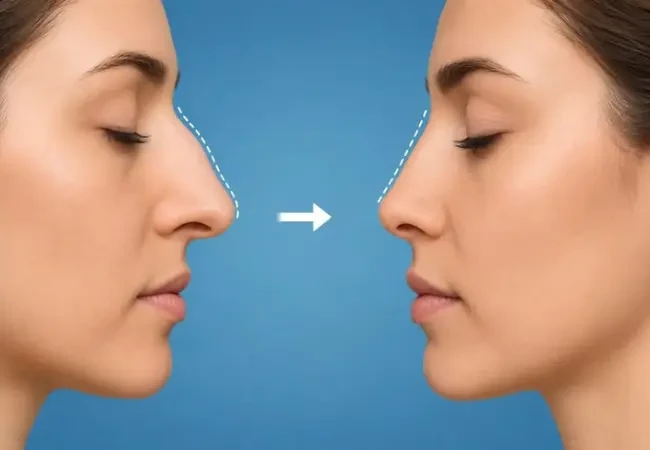
Discover how rhinoplasty and septorhinoplasty can reshape the nose, correct nasal issues, and improve both appearance and breathing.

Understand migraine symptoms, how they differ from common headaches, common migraine types, warning signs, and when to seek medical care.
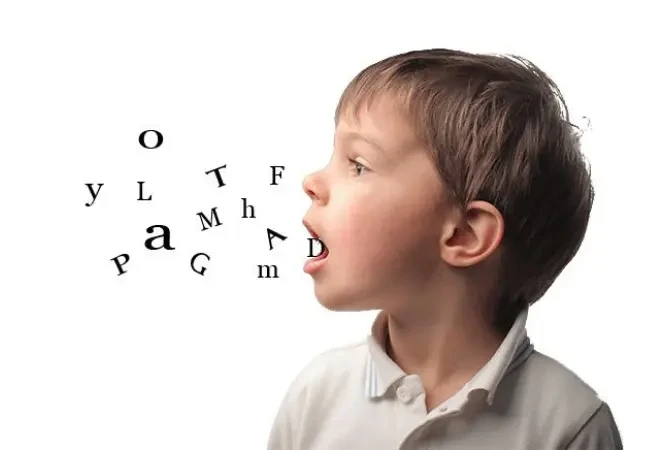
Learn about key speech milestones by age and discover how to support your child's speech and language development at home.

Gender affirmation surgery explained - the process, the risks, and what recovery really looks like, with guidance from EMC Hospital.
Learn the best snake bite treatment, including first aid, emergency care, antivenom, symptoms, and essential steps to take after a snake bite.
Learn why fatty liver disease is increasing among young adults, the key risk factors, early warning signs, and steps to support better liver health.

Leptospirosis cases rise sharply during monsoon due to floodwater and rat urine exposure. Learn the symptoms, causes, treatment and prevention tips here.
Healthcare banner illustrating thyroid disorders in women with hormone balance, thyroid screening, and early diagnosis concepts.
Learn how to identify kidney stones, recognize early symptoms, understand the causes, diagnosis, treatment options, and tips to prevent recurrence.
Learn the 10 warning signs you should never ignore, from unexplained weight loss to persistent cough and chest pain. Know when to seek medical attention.

 Mail
Mail  Booking
 WhatApp