
More women are being diagnosed with thyroid disorders today because doctors are testing for them more often, and because the female body is more prone to thyroid trouble in the first place. There isn't one single reason. It's a mix of biology, hormones, and aging all working together.
The thyroid is a small gland at the base of your neck, shaped a bit like a butterfly. Despite its size, it has a surprisingly large job. It regulates how your body uses energy, keeps your heartbeat in check, and even influences how you feel emotionally from one day to the next. When it produces too little hormone, many of the body's functions slow down, and when it produces too much, they speed up.
Thyroid disorders are frequently linked to autoimmune conditions, where the immune system mistakenly attacks the body's own tissue instead of protecting it. In many cases, the root cause is autoimmune, meaning the body's defence system mistakenly targets the thyroid, and this shows up far more in women than in men. The exact reasons are not yet fully understood, but the pattern has been consistently observed in research.
Thyroid hormones don't work in isolation. Oestrogen and progesterone factor into this too. Both hormones shift throughout a woman's cycle, during pregnancy, and again at menopause, and thyroid function tends to move along with them. This means thyroid symptoms in women often show up or worsen during specific life stages rather than staying constant.
Pregnancy is one such stage. The body demands more thyroid hormone to support a developing baby, and if the gland can't keep pace, hypothyroidism may develop. Menopause is another. As oestrogen levels shift, thyroid function can fluctuate along with it, which is partly why around 20% of postmenopausal women are found to have subclinical hypothyroidism, a milder form that doesn't always cause obvious symptoms straight away.
Thyroid symptoms in women come in gradually, and they overlap heavily with everyday tiredness, stress, or the natural effects of aging. That overlap is exactly why so many thyroid cases go unnoticed for months, sometimes years. Common signs include:
Awareness about thyroid has improved these days, which means women are speaking up about symptoms they'd have quietly ignored long ago. Blood testing for thyroid function has also become simpler and more widely available than it was a generation ago, which means conditions that once went undetected are now being picked up during routine health checks.
There’s also a demographic angle worth mentioning. As populations age and life expectancy increases, more women are living through the years when thyroid problems are statistically more likely to appear, particularly the decades following menopause.
And yet, despite all this progress in testing, plenty of cases still slip through unnoticed. Many women live with mild symptoms for a long stretch before linking their symptoms to a thyroid disorder, which suggests the real number of women affected could be even higher than current records show.
Left unmanaged, thyroid disorders can affect far more than energy levels. Untreated thyroid issues can quietly affect fertility, cause irregular periods, put pressure on the heart, and in pregnant women, add risk for both mother and baby.
The encouraging part is that thyroid disorders are usually early manageable once identified. A simple blood test, followed by the right treatment plan, can bring symptoms under control fairly quickly for most women. The bigger challenge isn't treatment. It's recognising that something needs checking in the first place.
At EMC Hospital, we see this pattern regularly among the women who walk into our clinics describing fatigue, weight changes, or mood shifts they can't quite explain. We always encourage women, especially those in their thirties through sixties, not to dismiss these signs. A thyroid check is quick, straightforward, and can save years of unnecessary discomfort once you know what you are dealing with.
If you have been feeling off in ways you can't fully explain, consider scheduling a thyroid evaluation. Book a thyroid screening with us at EMC Hospital and get clarity instead of guesswork.
Q1: What are the earliest thyroid symptoms in women?
A1: Tiredness, mood changes, and irregular periods are usually the first signs, though they're easy to mistake for stress or normal life changes.
Q2: Can thyroid problems affect fertility?
A2: Yes, both underactive and overactive thyroid conditions can disrupt ovulation and menstrual cycles, which is why women trying to conceive are often advised to get their thyroid levels checked as part of routine screening.
Q3: How is a thyroid disorder diagnosed?
A3: A simple blood test measuring hormone levels, usually TSH, is the first step, and your doctor may follow up with further tests depending on the results.

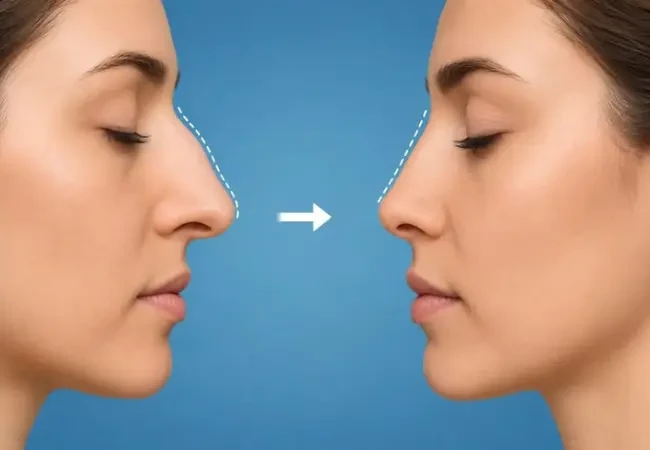
Discover how rhinoplasty and septorhinoplasty can reshape the nose, correct nasal issues, and improve both appearance and breathing.

Understand migraine symptoms, how they differ from common headaches, common migraine types, warning signs, and when to seek medical care.
Learn about key speech milestones by age and discover how to support your child's speech and language development at home.

Gender affirmation surgery explained - the process, the risks, and what recovery really looks like, with guidance from EMC Hospital.

Learn the best snake bite treatment, including first aid, emergency care, antivenom, symptoms, and essential steps to take after a snake bite.
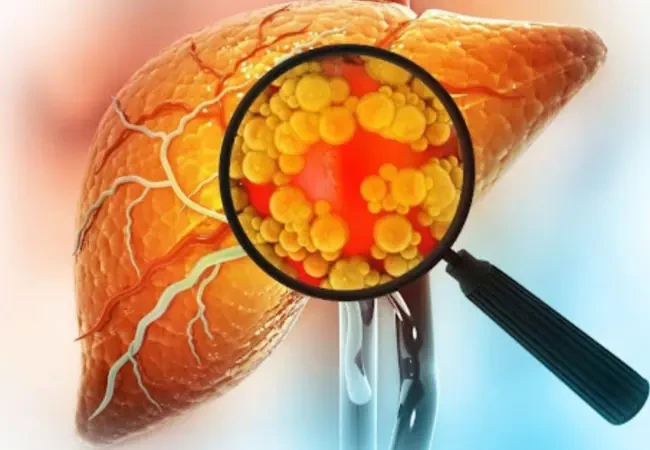
Learn why fatty liver disease is increasing among young adults, the key risk factors, early warning signs, and steps to support better liver health.

Leptospirosis cases rise sharply during monsoon due to floodwater and rat urine exposure. Learn the symptoms, causes, treatment and prevention tips here.
Healthcare banner illustrating thyroid disorders in women with hormone balance, thyroid screening, and early diagnosis concepts.
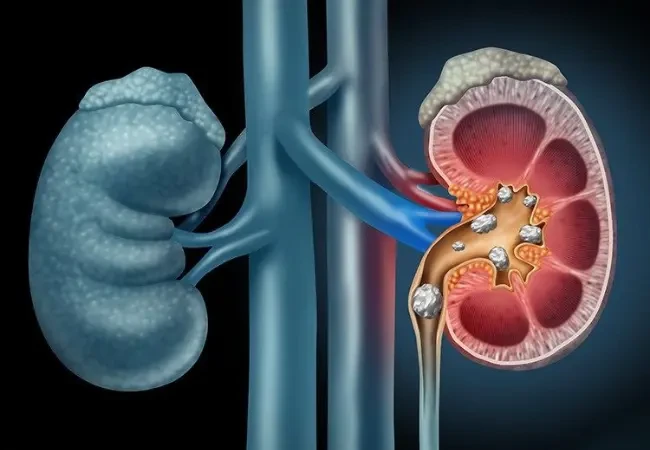
Learn how to identify kidney stones, recognize early symptoms, understand the causes, diagnosis, treatment options, and tips to prevent recurrence.

Learn the 10 warning signs you should never ignore, from unexplained weight loss to persistent cough and chest pain. Know when to seek medical attention.

 Mail
Mail  Booking
 WhatApp