
 Medically reviewed by: Dr. Roy George Sharon , Consultant Physician with an MD in General Medicine - Written by Riya Yacob - Updated on 27/7/2026
The 10 common symptoms worth paying closer attention to are unexplained weight loss, a cough that won't clear up, sudden changes in bowel or bladder habits, constant tiredness, unusual lumps, chest discomfort, persistent headaches, changes in a mole or skin patch, difficulty swallowing, and breathlessness that isn't tied to exercise. None of these mean something serious is definitely wrong and symptoms can vary for different health conditions. What they do mean is that the body is signalling a change worth checking rather than ignoring.
Most people have brushed off a symptom at some point, telling themselves it's just stress, age, or a bad week. That instinct is understandable, but it isn't always the safest one. Recognising the early warning signs of disease and acting on them sooner rather than later often makes treatment simpler and outcomes better.
The body rarely stays quiet when something's off. Pain, fatigue, and physical changes are its way of flagging that a system isn't working as it should. The trouble is that many of these signals overlap with everyday tiredness or minor illness, so people assume there's nothing to worry about. Knowing which patterns are worth a doctor's opinion helps separate a passing issue from something that needs proper investigation.
Losing weight without changing your diet or exercise routine is one of the clearer signals that something internal has shifted. A drop of more than 5% of body weight over 6 to 12 months, without trying, is generally considered worth discussing with a doctor.
2. A Persistent Cough
A cough that lingers beyond 3 weeks, especially one that produces blood or comes with hoarseness, shouldn't be treated as a stubborn cold. Lung and throat
conditions often start this way, and catching them early changes the treatment path considerably.
3. Changes in Bowel or Bladder Habits
Constipation, diarrhoea, or a change in stool colour that sticks around for more than a couple of weeks is worth mentioning to a doctor. The same goes for needing to urinate more often, pain while doing so, or noticing blood.
4. Constant Fatigue
Everyone gets tired, but fatigue that doesn't improve with rest and lasts for weeks points to something the body is working harder to manage, whether that's anaemia, thyroid trouble, or something else entirely.
5. Unusual Lumps or Swelling
A lump that appears under the skin, particularly one that grows, feels firm, or doesn't move when pressed, should be checked. Most lumps turn out to be harmless, but there's no way to know that without an examination.
6. Chest Pain or Pressure
Chest discomfort that spreads to the arm, jaw, or back, or comes with sweating and shortness of breath, needs urgent medical attention. This is one symptom where waiting to see if it passes carries real risk.
7. Persistent Headaches
A headache pattern that's new, worsens over time, or comes with vision changes, confusion, or weakness on one side of the body is different from an ordinary tension headache and warrants a proper check.
If someone who rarely gets headaches suddenly develops frequent ones, or an existing headache pattern shifts noticeably in intensity or timing, that change itself is a signal worth noting, separate from the headache itself.
8. Changes in a Mole or Skin Patch
Skin changes, particularly a mole that changes shape, colour, or size, or a sore that won't heal, should be looked at by a doctor. Skin cancers are among the more treatable cancers when caught early.
9. Difficulty Swallowing
Struggling to swallow food or liquid, or feeling like something is stuck in the throat, especially if it's a new and ongoing issue, points to something in the throat or oesophagus that needs assessment.
10. Breathlessness Without Exertion
Feeling short of breath while resting, or during activities that never used to cause it, can point to heart or lung conditions. This symptom is easy to dismiss as being unfit, but it deserves a closer look, particularly if it's a recent change.
None of these signs work in isolation as proof of anything specific. A single headache or a few tired days doesn't mean disease is present. What matters is pattern and duration: symptoms that persist beyond a few weeks, worsen steadily, or appear alongside other changes are the ones that call for a symptom checklist style review with a professional rather than a guess at home.
Across most conditions linked to these symptoms, catching them earlier gives doctors more options and generally better results. Waiting until symptoms become severe narrows the choices available and can make recovery longer and harder. This is exactly why understanding the early warning signs of disease matters as much as treating illness once it's confirmed.
When It's Time to See a Doctor
At EMC, we see first-hand how much difference an early conversation with a doctor can make. Our approach is straightforward: listen carefully, investigate properly, and never dismiss a symptom just because it sounds minor on the surface. If something on this list sounds familiar, we'd rather you come in and
have it checked than spend weeks wondering. Reach out to EMC Hospital to arrange a consultation with our team.
Q1: How long should a symptom last before I see a doctor?
A1: Generally, if a symptom lasts more than 2 to 3 weeks without easing, it's worth getting checked.
Q2: Are these symptoms always signs of something serious?
A2: No, most of the time these symptoms turn out to have simple, treatable causes, but the only way to know for certain is through a proper medical assessment rather than assuming either way.
Q3: Can lifestyle changes help prevent some of these symptoms?
A3: Yes, regular sleep, a balanced diet, and staying active can lower the risk of several conditions linked to these symptoms.

Learn the 10 warning signs you should never ignore, from unexplained weight loss to persistent cough and chest pain. Know when to seek medical attention.
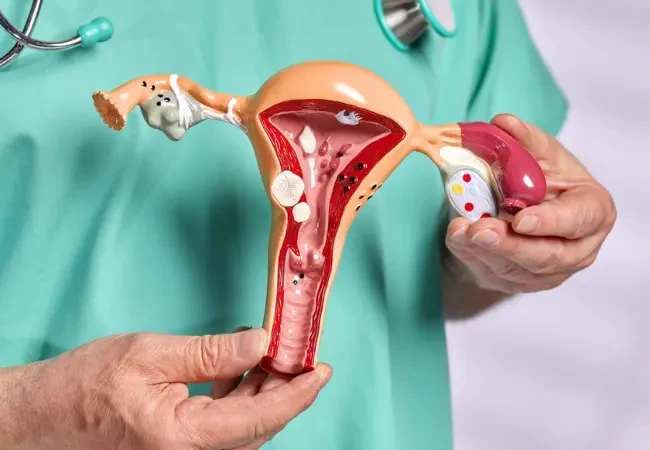
PCOS is now PMOS. Discover why the name changed, what PMOS means, and how the update improves understanding of this hormonal and metabolic condition.

Discover why PCOS cases are increasing in young women, the key risk factors, early symptoms, and lifestyle changes that can help manage the condition.

Discover the warning signs of appendicitis, from lower right abdominal pain to fever and nausea. Early diagnosis can prevent serious complications.
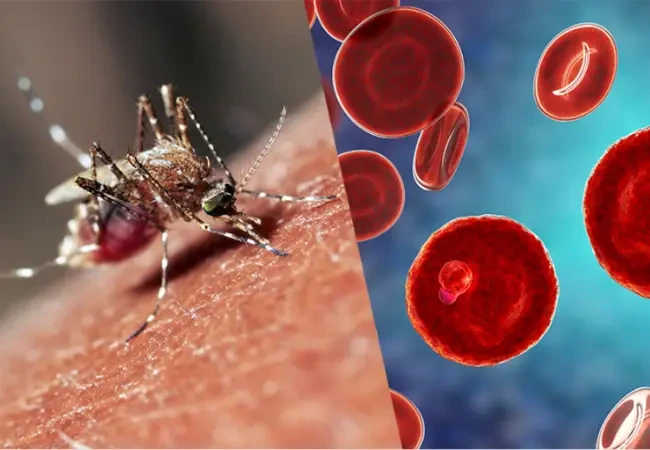
Monsoon increases the risk of mosquito-borne diseases. Learn how to prevent dengue, malaria, and chikungunya with simple precautions and healthy habits.

Planning a pregnancy after 35? Discover essential information on fertility, pregnancy risks, prenatal care, and healthy lifestyle tips for mothers-to-be.

Unexplained weight loss can be a sign of stress, diabetes, thyroid problems, digestive disorders, or other health conditions. Learn the possible causes, warning signs, and when to see a doctor.
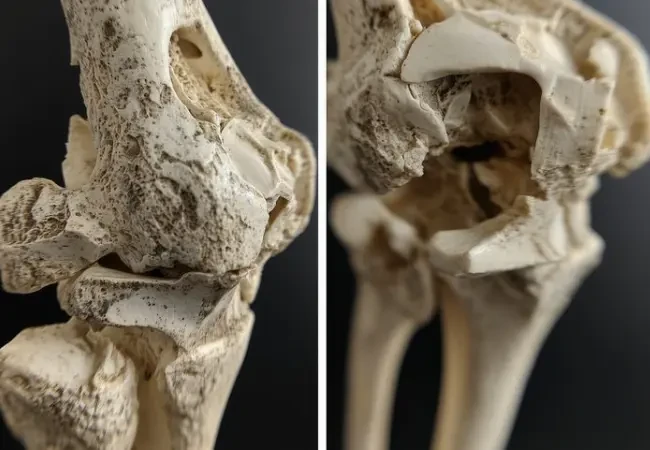
Osteoporosis is a medical condition where bones become thin, brittle, and also fragile due to a steady decline in mineral density. The early diagnosis of osteoporosis is the most effective way to prevent life-changing fractures by identifying the problem before a break occurs.

Understand high-risk pregnancy, its common causes, potential complications, warning signs, and essential preventive care for a safer motherhood journey.

Recognize the early symptoms of hernia, including swelling, pain, and abdominal discomfort. Learn the causes, warning signs, and when to seek medical attention.

 Mail
Mail  Booking
 WhatApp