A pregnancy becomes a high-risk pregnancy either where the health of both the mother and on the baby are at a higher risk of complications than in a normal pregnancy. However, it is important to know that this does not mean that something will definitely go wrong, but it does say that we need to provide extra monitoring as well as specialised check-ups for a smooth sail through pregnancy.
At EMC, we know that every pregnancy is a different journey, and when a woman is told she has a high-risk pregnancy, it brings up a mixture of emotions and questions. And understanding what a high-risk pregnancy means is the first step toward managing the high-risk pregnancy effectively. A pregnancy might be classified this way due to existing health issues, conditions that develop during the nine months, or external factors such as age, lifestyle choices, etc.
This category covers pregnancies where the likelihood of a medical problem is higher than average, and this also might be because of a pre-existing condition the mother had before conceiving, such as autoimmune diseases or kidney problems. In other cases, pregnancy risk factors may emerge after the baby begins to grow.
Age plays a part in this classification. And women under the age of 17 or over the age of 35 are to be monitored more closely. While many women in these age groups have healthy babies, the biological changes associated with these stages of life can sometimes lead to complications. Similarly, many lifestyle factors, such as smoking, alcohol consumption, or the use of certain medications, can also shift a pregnancy into the high-risk category as well.
Another major factor is the presence of multiple babies, and if you are expecting twins, triplets, or more, the strain on the body is naturally higher. This increases the chance of early labour and other high-risk pregnancy complications, and at EMC Hospital, we make it a point to make the necessary precautions without stressing you.
When we monitor a high-risk pregnancy, we look for specific medical issues that could affect the mother's health or the baby's development, and these complications vary in severity, but each one requires a specific management strategy with a multidisciplinary team of doctors to keep things on track.
Preeclampsia is a condition characterised by high blood pressure and also signs of damage to other organ systems, most frequently the liver and kidneys. It usually begins after 20 weeks of pregnancy in women whose blood pressure had been normal, and that if this is left unmanaged, it can lead to even life-threatening issues for the mother and the baby.
Labour is considered preterm if it starts before the 37th week of pregnancy, and this is a very common concern because babies born too early may not have fully developed organs, especially the lungs.
Various factors can trigger early contractions such as infections, a short cervix, or even high stress levels, and in some cases, doctors will also administer steroids to help the baby's lungs develop faster.
It is a form of high blood sugar that affects pregnant women, and it only happens because the body cannot produce enough insulin to handle the increased pregnancy requirements. While gestational diabetes usually disappears after giving birth, it can negatively affect the baby's health, as well as increase the mother’s risk of developing type 2 diabetes later in life.
If this condition is not managed properly, gestational diabetes can cause the baby to grow too large, which makes a vaginal delivery more difficult. And in this condition where vaginal delivery is difficult, the chances of a C-section increases as well.
Bleeding during pregnancy can be very alarming, and while light spotting is sometimes normal in the early stages, heavy bleeding later in the pregnancy can cause many issues with the placenta. Conditions such as placenta previa, where the placenta covers the cervix, or placental abruption, where it detaches from the uterus, are all serious concerns.
These situations, like severe bleeding, really require immediate medical attention, and we often advise bed rest or hospitalisation to manage the bleeding and keep a close eye on the baby’s heart rate. In severe cases, an emergency delivery might be the safest path, and this is why we encourage mothers to report any unusual bleeding immediately, no matter how small it may seem.
Sometimes, a baby does not grow at the expected rate inside the womb, and this is known as fetal growth restriction. Fetal growth restriction can be caused by problems with the placenta, the mother’s health, or even genetic factors as well. And when a baby is too small, they may have trouble handling the stress of a vaginal delivery or maintaining their body temperature after birth.
While pregnancy is a joyful period, factors like hypertension and diabetes increase the likelihood of complications for both mother and infant, making it a high-risk pregnancy. It is very important to be proactive, prioritise safety, and also have a medical consultation before planning a pregnancy, and remember that preventive care for pregnant mothers is the most effective way to navigate these challenges successfully.
As you might already know, good maternal health during pregnancy starts with a preconception visit. And if you have existing health conditions during pregnancy, such as thyroid issues or high blood pressure, remember that a preconception visit is very important. We look at your current medications to see if they are safe for a baby and suggest alternatives if they are not. Taking folic acid supplements before as well as during early pregnancy is another simple but important step to prevent neural tube defects.
During the pregnancy, attending every scheduled appointment is necessary, and these visits allow us to catch small changes before they become major problems. We monitor weight, blood pressure, and urine at every visit, and also use screenings and diagnostic tests to check for genetic conditions or structural issues in the baby.
Nutrition and lifestyle also play a major role in prevention, and eating a balanced diet that very rich in iron, calcium, and vitamins supports the baby’s development as well as the mother’s energy levels also. Staying hydrated and engaging in gentle physical activity, like walking or swimming, can help regulate blood sugar along with blood pressure. Apart from that, it is important to avoid tobacco, alcohol, and also unprescribed drugs at any cost.
Mental health is just as important as physical health, and pregnancy can be a stressful time, especially when it is labelled high-risk. Stress management techniques, such as deep breathing or speaking with a counsellor, can improve overall well-being, and a supported mother is better equipped to handle the physical demands of a complex pregnancy.
At EMC Hospital, we combine advanced technology with expertise, ensuring that you feel informed and receive best medical care at every stage. We also have our "First Touch" antenatal classes giving an opportunity for our pregnant mothers to interact with the experts at EMC Hospital. To learn more or to book a consultation, get in touch with EMC Hospital.
Q1: Does a high-risk label mean I will have to have a C-section?
A1: No, a high-risk label doesn’t mean that you have to have a C-section necessarily. And even though the chances of needing a C-section are higher in some cases to ensure the safety of the mother and baby, many women with high-risk pregnancies go on to have successful vaginal births. The decision depends on the specific health condition, the baby’s position, and also how the labour progresses.
Q2: What should I do if I have a chronic condition like asthma and want to get pregnant?
A2: The best approach is to schedule a preconception appointment with us. We can review your asthma management plan and ensure that your medications are safe for pregnancy. Keeping your asthma well-controlled is important because it ensures that both you and your baby get enough oxygen throughout the nine months.
Q3: Are there specific signs of trouble I should watch for at home?
A3: Yes, there are several symptoms that should prompt an immediate call to your doctor, and these include sudden or severe swelling in your face and hands, a persistent headache that does not go away with simple measures, blurred vision, or a noticeable decrease in your baby’s movements. You should also consult doctor if you experience any vaginal bleeding, leaking of fluid, or sharp abdominal pain. Trusting your instincts is a big part of staying safe, so never hesitate to ask a question if something feels wrong.


Discover how rhinoplasty and septorhinoplasty can reshape the nose, correct nasal issues, and improve both appearance and breathing.

Understand migraine symptoms, how they differ from common headaches, common migraine types, warning signs, and when to seek medical care.

Learn about key speech milestones by age and discover how to support your child's speech and language development at home.

Gender affirmation surgery explained - the process, the risks, and what recovery really looks like, with guidance from EMC Hospital.

Learn the best snake bite treatment, including first aid, emergency care, antivenom, symptoms, and essential steps to take after a snake bite.
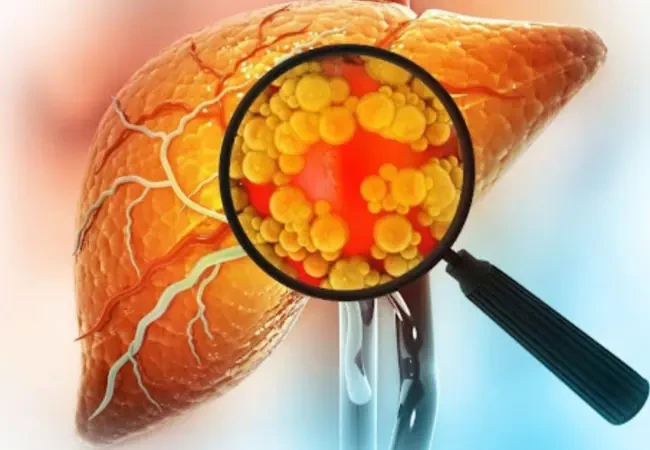
Learn why fatty liver disease is increasing among young adults, the key risk factors, early warning signs, and steps to support better liver health.
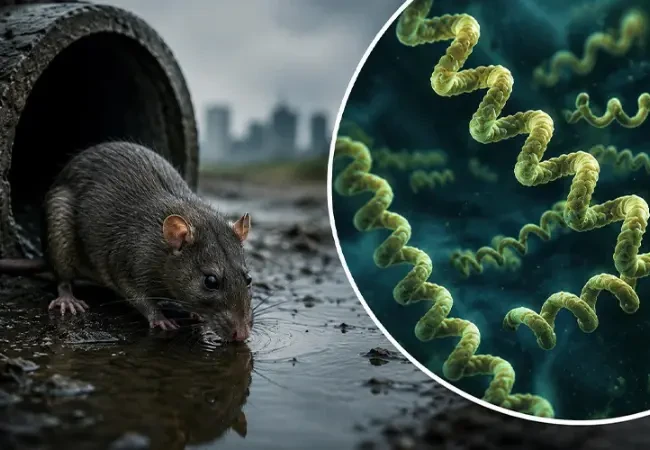
Leptospirosis cases rise sharply during monsoon due to floodwater and rat urine exposure. Learn the symptoms, causes, treatment and prevention tips here.

Healthcare banner illustrating thyroid disorders in women with hormone balance, thyroid screening, and early diagnosis concepts.
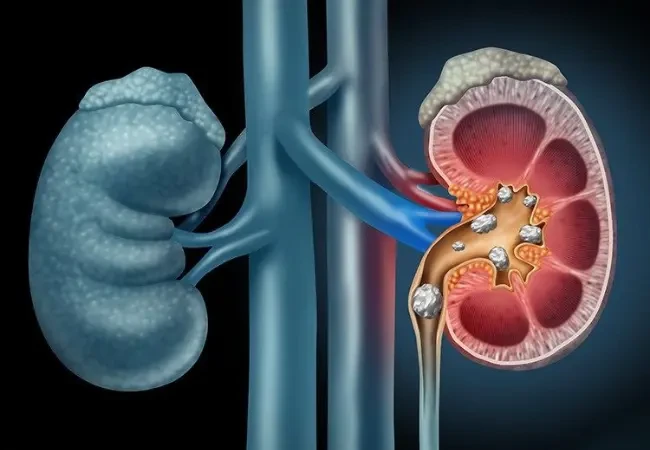
Learn how to identify kidney stones, recognize early symptoms, understand the causes, diagnosis, treatment options, and tips to prevent recurrence.

Learn the 10 warning signs you should never ignore, from unexplained weight loss to persistent cough and chest pain. Know when to seek medical attention.

 Mail
Mail  Booking
 WhatApp