
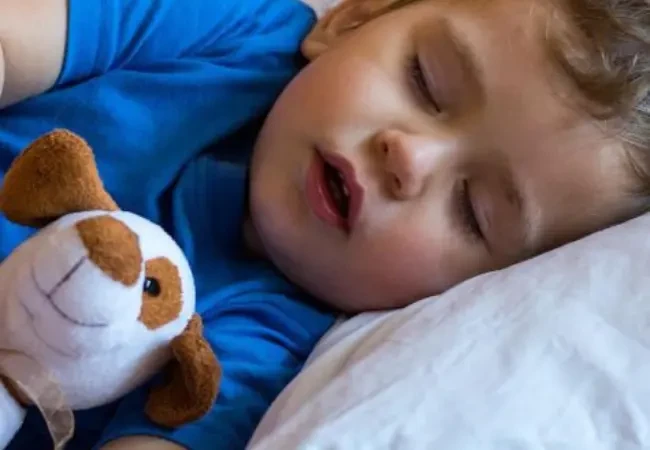
If your child is snoring at night, it is usually because of a blockage or narrowing in the upper airway, which may range from a simple cold to a more serious condition called obstructive sleep apnea. While some light snoring is very normal during a bout of the flu, consistent or heavy snoring suggests that your child is struggling to move air freely while resting. Finding effective snoring solutions for children starts with identifying whether the snoring is a harmless habit or a sign of a breathing disorder.
It is very important to understand that not every child who snores has a chronic medical condition. However, identifying snoring in kids causes is so essential to determine if medical intervention is necessary or not. Airway obstruction can happen for several reasons, and observing your child’s sleeping patterns can help us narrow down the trigger also.
According to a study published in the Indian Journal of Sleep Medicine, habitual snoring affects around 7% to 12% of children, and many of these cases involve some level of sleep-disordered breathing, sleep apnea, and fatigue.
Allergic rhinitis is a very common answer to the question, why is my child snoring? When children are allergic to dust mites, pet hair, or pollen, their nasal passages swell, and this inflammation restricts airflow through the nose, forcing the child to breathe through their mouth. Mouth breathing during sleep almost always leads to the vibration of soft tissues, which produces the snoring sound.
Large or swollen tonsils and adenoids are perhaps the most frequent reason for snoring in young children. Tonsils are at the back of the throat, and adenoids sit higher up behind the nose. If these glands are naturally large or become swollen due to frequent infections, they physically block the airway. We find that removing these glands is a common as well as effective way to clear the breathing path.
Sometimes the cause is simply gravity, and when a child sleeps flat on their back, the tongue and soft palate can slip backwards toward the throat. This reduces the space available for air to pass through, and encouraging a side-sleeping position can sometimes resolve mild cases of snoring without further medical steps.
When a child breathes noisily, they are working harder than they should to get oxygen, and this extra effort prevents them from reaching the deeper, more restorative stages of sleep. If the snoring is tied to apnea, the child might actually stop breathing for a few seconds multiple times an hour, which puts a strain on the heart and lungs. While a one-off night of snoring isn't a cause for alarm, a pattern of heavy snoring should be discussed with our specialists to prevent long-term health issues.
Please remember that when sleep is interrupted by breathing struggles, the effects show up in almost every part of a child's life. Recognising pediatric sleep apnea symptoms early can prevent complications that affect physical and also mental development.
Even if a child seems to be sleeping for ten hours, the quality of that sleep matters most, and snoring often leads to fragmented sleep. You might notice your child is extremely groggy in the morning or takes long naps during the day because their nighttime rest was poor.
In more severe cases of sleep-disordered breathing, the constant drop in oxygen levels can lead to high blood pressure. This happens because the body enters fight-or-flight mode each time the airway closes, causing the heart to pump harder.
Growth hormone is mainly released during deep sleep, and if a child is constantly woken by their own snoring or gasping, their body may not produce enough of it. If a child’s sleep is disturbed in this way, it can lead to slower physical growth compared to their peers.
There is a strong link between poor sleep and also irritability. Children who do not sleep well may appear hyperactive, impulsive, or aggressive. In some instances, sleep apnea is misdiagnosed as ADHD because the symptoms of exhaustion in children often look like restlessness.
Cognitive & Academic Issues
The brain needs oxygen and also deep rest to process information and store memories. Children with untreated sleep issues often struggle to focus in class, and you might notice a dip in their grades or a lack of interest in learning new things.
We take a systematic approach to identifying and managing breathing disorders in children and focus on finding the least invasive way to help your child breathe easily again.
Diagnosis usually begins with a thorough physical exam, and we look at the size of the tonsils and check for signs of allergies. Investigations such as X-ray or nasal endoscopy may be required for further evaluation. If we suspect apnea, we might recommend a sleep study that involves monitoring the oxygen levels, heart rate, and also breathing patterns while they sleep. This data helps our medical team determine how often the child’s breathing is interrupted in a very clear manner.
Once we have a clear diagnosis, we can look at various snoring solutions for children, and the goal is always to open the airway and restore normal breathing patterns.
Adenotonsillectomy is the surgical removal of the tonsils and adenoids and is the most common treatment, which also has a very high success rate in children as well.
A machine delivers a steady stream of air through a mask, and this pressure keeps the airway open. While CPAP or BiPAP Therapy is more common in adults, we use this for children who cannot have surgery or where surgery didn't fully solve the problem.
If the cause is inflammatory, paediatricians use nasal steroid sprays or antihistamines to shrink the swollen tissues in the nose.
If a child is overweight, there is a chance that the extra tissue around the neck can compress the airway. And in these cases, we work with families on nutritional plans to help manage this.
Sometimes, a narrow jaw or dental alignment issues contribute to a small airway, and special mouthpieces can help reposition the jaw during sleep.
Long-term allergy management, including immunotherapy, can reduce chronic swelling in the nasal passage of a child.
In rare cases involving the structure of the face or jaw, more complex surgical adjustments might be needed for snoring.
As you might know, healthy sleep is a very important factor for a happy childhood. If you notice your child gasping, choking, or snoring loudly every night, it is worth seeking professional advice. Most causes of snoring are treatable, and the results of better sleep are often immediate, and you will likely see improvements in your child’s mood, school performance, and energy levels. We recommend that you discuss any concerns you have about your child's sleep health with a paediatrician. Together, we can find the right snoring solutions for children and ensure your little one wakes up feeling refreshed every single morning.
Q1: Can my child outgrow snoring on their own?
A1: Some children do outgrow snoring as their airways naturally widen with age. However, if the snoring is caused by enlarged tonsils or adenoids leading to sleep apnea, it usually requires medical attention rather than waiting, and it is safer to have a check-up than to wait for a problem to resolve itself.
Q2: Will my child need surgery if they have sleep apnea?
A2: Surgery is a very common and effective option, but it is not the only way we treat this condition. We always look at the underlying cause first, and if the apnea is caused by allergies or obesity, we might start with non-surgical treatments like medication or lifestyle changes before considering an operation.
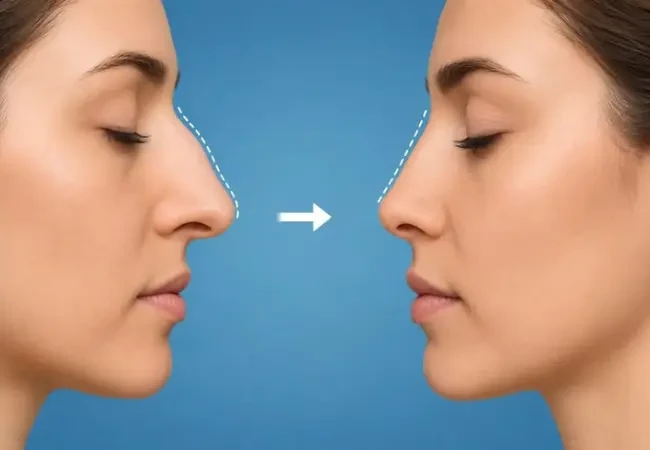
Discover how rhinoplasty and septorhinoplasty can reshape the nose, correct nasal issues, and improve both appearance and breathing.

Understand migraine symptoms, how they differ from common headaches, common migraine types, warning signs, and when to seek medical care.
Learn about key speech milestones by age and discover how to support your child's speech and language development at home.

Gender affirmation surgery explained - the process, the risks, and what recovery really looks like, with guidance from EMC Hospital.
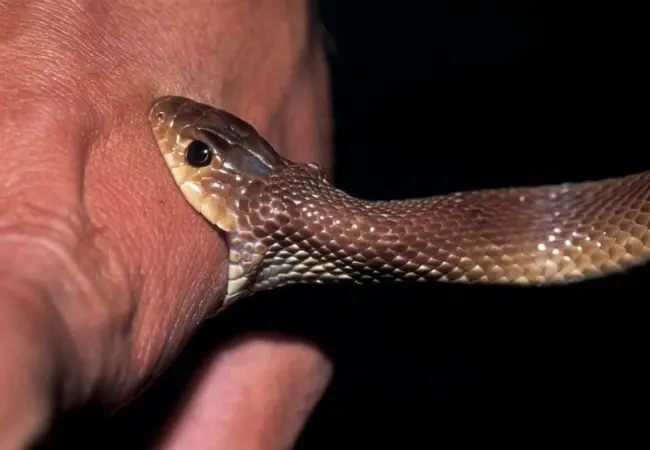
Learn the best snake bite treatment, including first aid, emergency care, antivenom, symptoms, and essential steps to take after a snake bite.

Learn why fatty liver disease is increasing among young adults, the key risk factors, early warning signs, and steps to support better liver health.

Leptospirosis cases rise sharply during monsoon due to floodwater and rat urine exposure. Learn the symptoms, causes, treatment and prevention tips here.

Healthcare banner illustrating thyroid disorders in women with hormone balance, thyroid screening, and early diagnosis concepts.
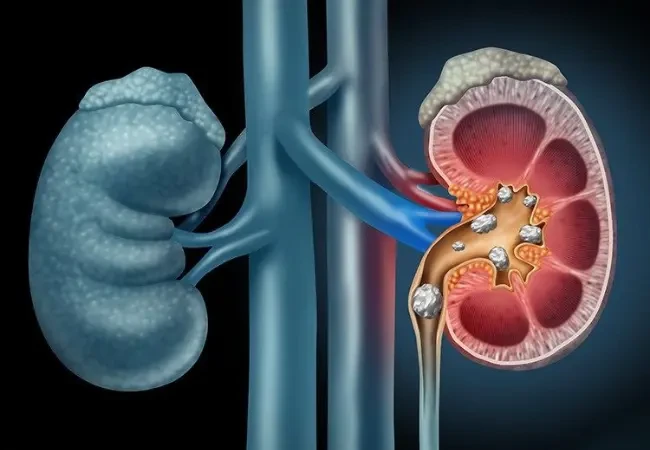
Learn how to identify kidney stones, recognize early symptoms, understand the causes, diagnosis, treatment options, and tips to prevent recurrence.

Learn the 10 warning signs you should never ignore, from unexplained weight loss to persistent cough and chest pain. Know when to seek medical attention.

 Mail
Mail  Booking
 WhatApp