
 Medically reviewed by: Dr. John Abraham Tharayil,Nephrology - Written byRiya Yacob - Updated on 27/04/2026
Do you know that your kidneys work around the clock? Yes, it filters waste from your blood, regulates fluid balance, and performs other important functions. Unfortunately, millions of people around the world are affected with kidney disease. Many are even unaware that they have this condition until it reaches an advanced stage. Recognizing the early warning signs and knowing when to consult a kidney specialist can make a huge difference in treatment results.
Each of your kidneys contains about a million tiny filtering units called nephrons. These structures work tirelessly to remove waste products and excess fluid from your bloodstream. This leaves your body as urine. Apart from waste removal, your kidneys help regulate blood pressure, produce hormones that make red blood cells, and maintain the proper balance of minerals in your body.
Maintaining good kidney health is very important for your overall well-being. When kidney function declines, it can affect virtually every system in your body. The list goes from cardiovascular health to bone strength.
One of the challenges with kidney disease is that symptoms often don't appear until the condition has progressed significantly. This is why kidney disease is sometimes called a "silent disease." However, there are subtle kidney disease symptoms that may indicate your kidneys aren't functioning properly:
Pay attention to changes in your urinary habits. Increased frequency, especially at night, can be an early sign of kidney disease. Urine that appears foamy or bubbly indicates protein leak in urine, a key marker of kidney damage. Blood in the urine, while sometimes caused by other conditions, should never be ignored.
When your kidneys aren't filtering properly, toxins can build up in your bloodstream, leading to tiredness and making it difficult to concentrate. Kidney disease can also cause anaemia, which further contributes to fatigue.
Toxin buildup from decreased kidney function can make it difficult to sleep. There's also a connection between kidney disease and sleep apnea, with sleep disorders being more common in people with kidney problems.
Healthy kidneys help maintain the right balance of minerals and nutrients in your blood. When they're not working properly, mineral bone disease can develop.
If you notice puffiness around your eyes, especially in the morning, or swelling in your ankles and feet, this could indicate your kidneys aren't removing excess fluid properly. This swelling, called oedema, occurs when sodium retention causes your body to hold onto water.
As waste products build up in the blood, you might experience a decreased appetite or an unpleasant taste in your mouth. Electrolyte imbalances can lead to muscle cramps, particularly in your legs.
Certain factors increase your risk of developing kidney disease. These include diabetes, high blood pressure, a family history of kidney failure, being over 60 years old, and obesity. If you have any of these risk factors, it's especially important to monitor your kidney health through regular check-ups.
A nephrologist is a doctor who specializes in advanced kidney care and treating diseases of the kidneys. While your primary care physician can handle a few aspects of kidney health, there are specific situations when consulting a nephrologist in your area becomes necessary:
If you have diabetes and show signs of kidney involvement, such as protein in your urine, a nephrologist can help manage this complication.
Protecting your kidney health involves several key strategies:
Schedule routine medical visits to monitor your blood pressure, blood sugar, and kidney function, especially if you have risk factors for kidney disease.
High blood pressure and diabetes are the two leading causes of kidney failure. Managing these conditions effectively helps protect your kidneys.
Reduce sodium intake (aim for less than 2,300 mg daily), limit processed foods, and eat plenty of fruits and vegetables. If you already have kidney issues, your doctor may recommend specific dietary adjustments.
Drinking adequate water helps your kidneys clear sodium and toxins from your body. The right amount varies by individual, but clear or light yellow urine generally indicates good hydration.
Physical activity helps maintain a healthy weight and reduces your risk of chronic conditions that can lead to kidney disease. Aim for at least 30 minutes of moderate activity most days.
Use over-the-counter pain medications like NSAIDs (ibuprofen, naproxen) only as directed, as these can cause kidney damage when taken too frequently or in high doses.
Early detection of kidney disease can significantly improve outcomes and potentially slow disease progression. If you're experiencing symptoms or have risk factors for kidney disease, don't hesitate to discuss your concerns with your doctor. Searching for "Nephrologist near me" on Google can help you find a doctor close to your home. But if you are looking for the best nephrology hospital that offers comprehensive treatment for kidney diseases, EMC Hospital can be considered. With a dedicated team and expert nephrologist, we provide the right and most effective treatment. As a trusted multispecialty hospital in Kochi, EMC is equipped with modern dialysis units, uroflowmetry equipment and other advanced tools for diagnosis and treatment. Your kidneys work hard for you every day, don't forget to take care of it. Taking care of your kidney is an investment in your long-term health.


Discover how rhinoplasty and septorhinoplasty can reshape the nose, correct nasal issues, and improve both appearance and breathing.

Understand migraine symptoms, how they differ from common headaches, common migraine types, warning signs, and when to seek medical care.

Learn about key speech milestones by age and discover how to support your child's speech and language development at home.

Gender affirmation surgery explained - the process, the risks, and what recovery really looks like, with guidance from EMC Hospital.

Learn the best snake bite treatment, including first aid, emergency care, antivenom, symptoms, and essential steps to take after a snake bite.
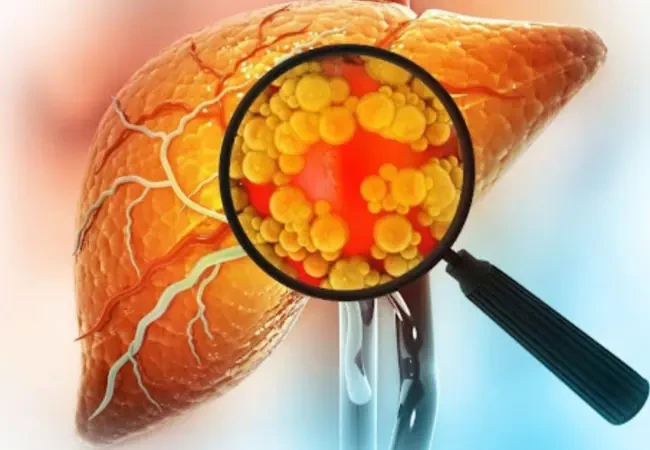
Learn why fatty liver disease is increasing among young adults, the key risk factors, early warning signs, and steps to support better liver health.

Leptospirosis cases rise sharply during monsoon due to floodwater and rat urine exposure. Learn the symptoms, causes, treatment and prevention tips here.

Healthcare banner illustrating thyroid disorders in women with hormone balance, thyroid screening, and early diagnosis concepts.
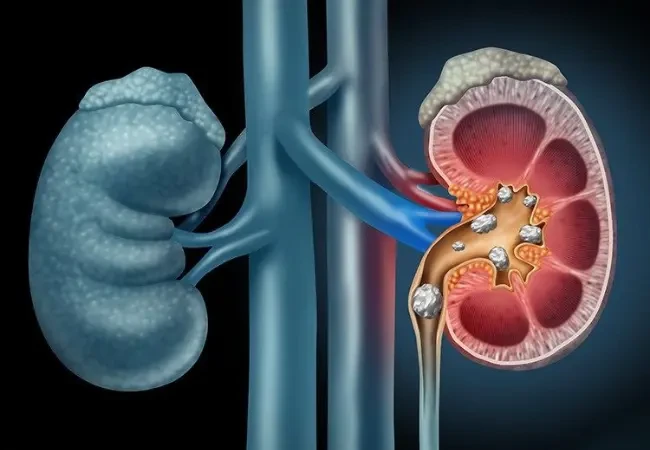
Learn how to identify kidney stones, recognize early symptoms, understand the causes, diagnosis, treatment options, and tips to prevent recurrence.

Learn the 10 warning signs you should never ignore, from unexplained weight loss to persistent cough and chest pain. Know when to seek medical attention.

 Mail
Mail  Booking
 WhatApp