
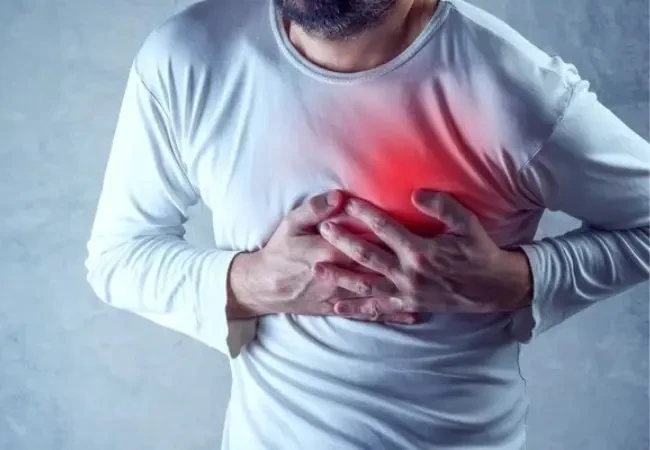
Accounting for one-third of global deaths, cardiovascular diseases (CVDs) are a huge concern. Heart attack, also known as a myocardial infarction, happens when the blood supply to the heart is blocked. It can happen due to a blood clot. According to reports, 20.5 million deaths were caused by CVDs in 2021. This is an increase from 12.1 million deaths in 1990. Most of the CVDs, including heart disease and stroke, are preventable. Recognizing the early cardiac arrest warning signs and heart attack symptoms can be life-saving, as immediate medical intervention can be helpful. In this blog, we will discuss the early warning signs of heart attack.
Heart attack symptoms can vary from person to person, but some of the most commonly reported signs are as follows:
It is important to differentiate between a heart attack and cardiac arrest. While a heart attack is caused by a blockage in the coronary arteries, cardiac arrest occurs when the heart suddenly stops beating due to electrical malfunctions.
Cardiac arrest is different from a heart attack. It requires immediate CPR and the use of an automated external defibrillator (AED) if available. As we all are aware of it, immediate action is very important in such emergency situations. Calling emergency services is critical in such situations.
Understanding heart disease risk factors can help prevent heart attacks. Some key risk factors include:
When it comes to health, making lifestyle changes can make huge differences. Reduce the risk of a heart attack. Here are some prevention strategies to reduce the risk of a heart attack:
We are what we eat. Yes, following a healthy diet is very important for a healthy heart. In this fast-paced world, most of us choose convenience and opt for junk food. Incorporate a diet with fruits, vegetables, whole grains, lean proteins, and healthy fats.
You have to spare at least 150 minutes for moderate-intensity aerobic exercise per week. Regular exercise can be beneficial for heart health.
Mental health is as important as physical health. Practice relaxation techniques such as meditation, yoga, or deep breathing exercises. This can help in managing stress.
Seek support to stop smoking if needed.
Regular check-ups can help detect issues early. Checking blood pressure and cholesterol regularly can help monitor health conditions.
Even if you consume alcohol, drink in moderation according to medical guidelines.
Losing excess weight can lower the risk of heart disease. So, it is better to maintain a healthy weight.
Properly managing blood sugar levels is essential for heart health.
If you or someone else experiences heart attack symptoms, call emergency services immediately. Do not wait to see if symptoms improve, as quick medical intervention can prevent serious complications and save lives.
Signs That Require Immediate Attention
Recognizing the early warning signs of a heart attack is crucial for timely medical intervention. Understanding the difference between heart attack symptoms and cardiac arrest warning signs can help individuals act quickly in emergencies. Apart from that, being aware of heart disease risk factors and adopting a heart-healthy lifestyle can lower the risk of heart-related conditions.
Getting medical help is essential if you are having health problems. In most cases, individuals fail to seek medical help in the early stages. Many conditions and even deaths can be prevented if medical help is received at the right time. As the best cardiology hospital in Kochi, EMC Hospital offers a wide range of diagnostic and therapeutic services for cardiac problems. With a team of multidisciplinary cardiologists in Kerala, EMC Hospital provides complete medical care for patients of all ages. Our services also include specialized paediatric cardiology.
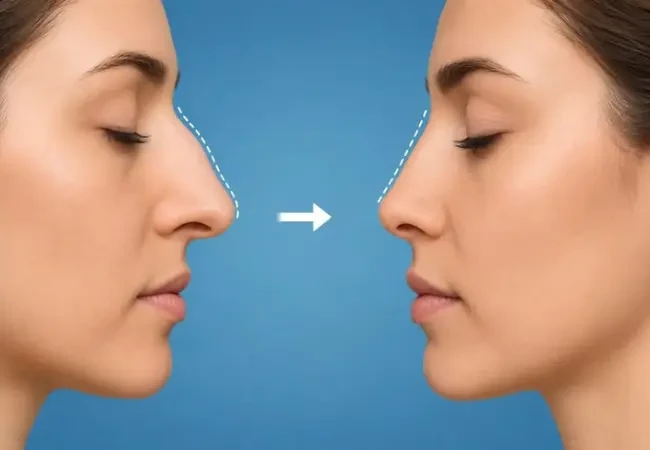
Discover how rhinoplasty and septorhinoplasty can reshape the nose, correct nasal issues, and improve both appearance and breathing.
Understand migraine symptoms, how they differ from common headaches, common migraine types, warning signs, and when to seek medical care.
Learn about key speech milestones by age and discover how to support your child's speech and language development at home.
Gender affirmation surgery explained - the process, the risks, and what recovery really looks like, with guidance from EMC Hospital.
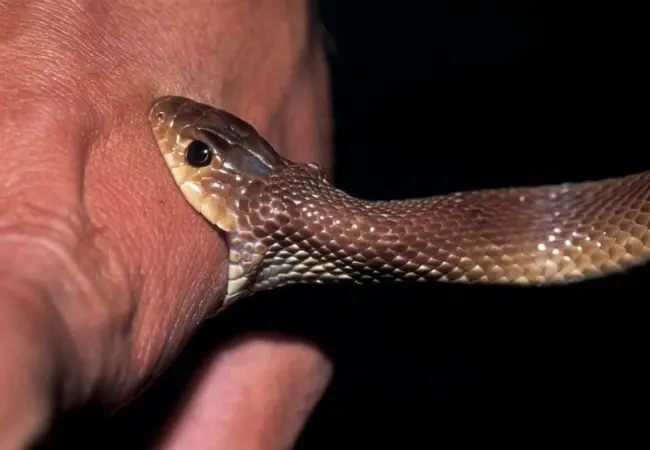
Learn the best snake bite treatment, including first aid, emergency care, antivenom, symptoms, and essential steps to take after a snake bite.
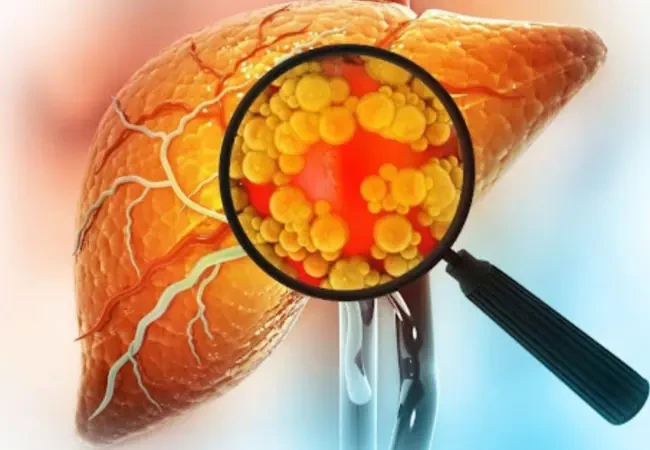
Learn why fatty liver disease is increasing among young adults, the key risk factors, early warning signs, and steps to support better liver health.
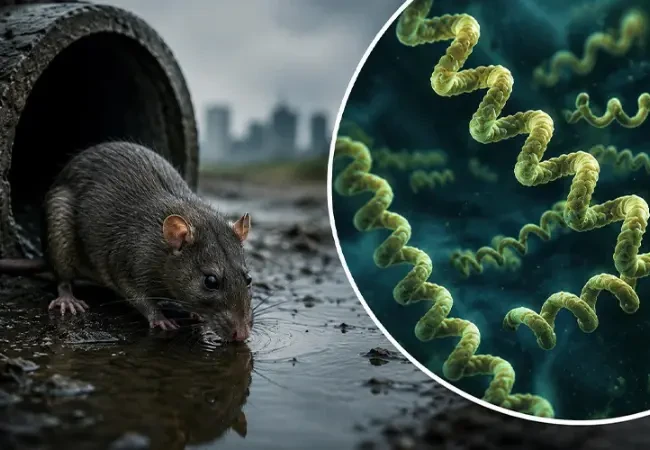
Leptospirosis cases rise sharply during monsoon due to floodwater and rat urine exposure. Learn the symptoms, causes, treatment and prevention tips here.
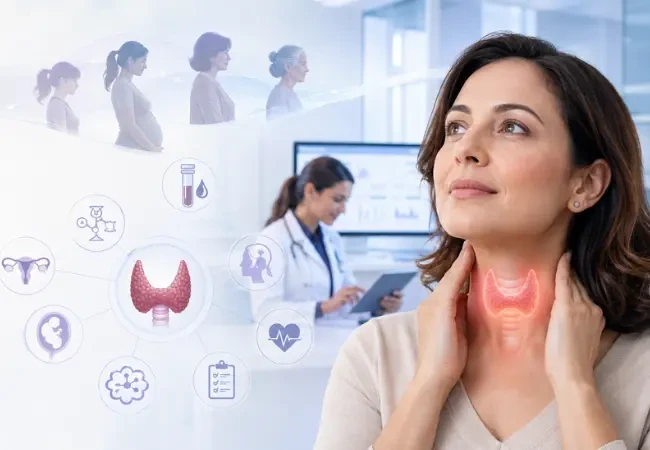
Healthcare banner illustrating thyroid disorders in women with hormone balance, thyroid screening, and early diagnosis concepts.
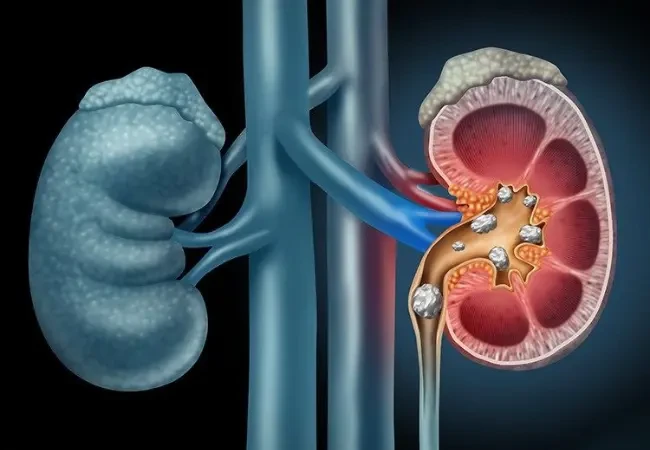
Learn how to identify kidney stones, recognize early symptoms, understand the causes, diagnosis, treatment options, and tips to prevent recurrence.
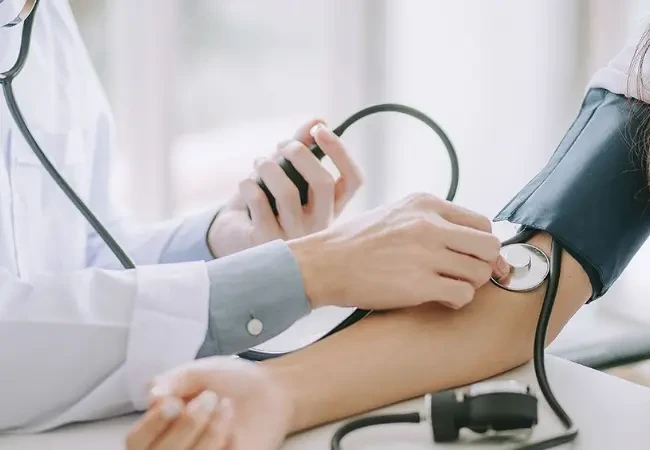
Learn the 10 warning signs you should never ignore, from unexplained weight loss to persistent cough and chest pain. Know when to seek medical attention.

 Mail
Mail  Booking
 WhatApp