
The early symptoms of hernia include a visible bulge under the skin, a feeling of heaviness in the abdomen or groin, as well as a dull ache that becomes more noticeable during any pressure activities or standing for long periods. You might find that a soft lump appears in the pelvic or abdominal area, which disappears when you lie down but comes back out when you strain.
A hernia occurs when an internal organ or a piece of fatty tissue pushes through a weak spot in the surrounding muscle or connective tissue. And it is important to understand that this muscle wall is supposed to keep your organs in place, but if a gap develops, the internal contents can press through. While some hernias are present from birth, others develop slowly over months or years due to the daily stresses we put on our bodies.
The causes of hernia are usually a mix of existing muscle weakness and also some form of physical strain that triggers the protrusion. Our abdominal walls are generally strong, but they have natural areas of vulnerability, such as where the umbilical cord was attached or where the groin muscles meet.
Anything that increases the pressure inside your abdomen can force tissue through a weak point, and this is not limited to heavy lifting at a construction site or gym. It includes:
If you have had an operation on your abdomen in the past, the site of the incision can become a weak spot, and even though the skin heals, the underlying muscle may not regain its full original strength. And yes, we regularly see patients who develop what is known as an incisional hernia years after a gallbladder or appendix surgery.
As we grow older, our muscles naturally lose some of their elasticity, and this can make the tissue thinner and also more prone to tearing or stretching. Some people are also born with naturally weaker connective tissue, and this can make them more likely to develop a hernia even without heavy physical labour.
Identifying hernia warning signs is very important, and this involves paying close attention to how your body reacts to movement.
The most common sign is a swelling or a bump that feels soft to the touch, and in the early stages, this lump might only show up when you are active.
Not everyone sees a bulge right away, as some people experience hernia symptoms in adults as a feeling of pressure, and you might describe it as a "pulling" or "dragging" sensation in the groin or abdomen. For women, this can sometimes be mistaken for pelvic floor issues or menstrual discomfort, which is why a professional assessment is so useful.
You should watch for a sharp or burning sensation when you perform certain actions, and these hernia pain symptoms are often triggered by:
If you feel a sudden pop or a twinge followed by a dull ache, it is worth checking the area for any new swellings. In some cases, especially with hiatal hernias (which happen inside the chest), the warning signs include frequent heartburn, indigestion, or a feeling that food is getting stuck in your throat after eating.
Determining when to see a doctor for hernia depends on the severity of your symptoms as well as the stability of the lump. If you have found a new bulge or have been feeling unexplained pelvic or abdominal pain, it is advised to seek medical advice as soon as possible. Please understand that a hernia will not heal on its own with rest or medication, and the gap in the muscle wall usually grows larger over time.
We recommend booking a consultation if you experience any warning signs of a hernia or if the discomfort is starting to affect your daily activities also. Early intervention often allows for more straightforward treatment options for a hernia. If we can assess the early symptoms of a hernia while the tissue is still reducible, the risk of complications remains low as well.
However, there are certain situations where you must seek medical help immediately:
These are signs of an incarcerated or strangulated hernia, and this happens when the protruding tissue gets trapped, and its blood supply is cut off.
Our medical team at EMC Hospital provides a comfortable environment so that you can discuss these symptoms with the doctor. At EMC, our goal is to help you in any way we can, whether it is lifestyle advice to manage a small hernia or understanding other hernia treatment options.
If you are concerned about a lump or persistent abdominal pain, do not wait for the symptoms to get worse. To know find more information and treatment plans, get in touch EMC Hospital.
Q1: Can a hernia disappear on its own without surgery?
A1: A hernia cannot heal itself because it is a physical tear or hole in the muscle wall. While the symptoms might fluctuate and the lump may hide for a while when you are resting, the underlying weakness remains, and surgery is the only way to repair the hole and prevent the tissue from pushing through again.
Q2: Does every hernia cause pain?
A2: No, many hernias are entirely painless, and you might have a visible lump for years that never hurts. However, even a painless hernia can become dangerous if the tissue becomes trapped, and it is better to have a painless hernia checked by a professional to ensure it is not at risk of strangulation.
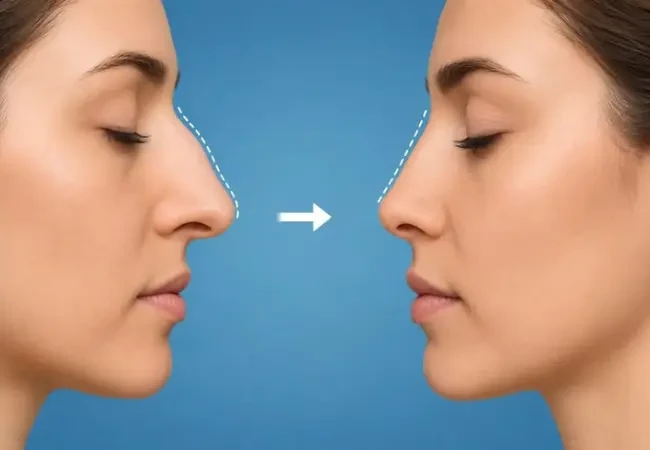
Discover how rhinoplasty and septorhinoplasty can reshape the nose, correct nasal issues, and improve both appearance and breathing.

Understand migraine symptoms, how they differ from common headaches, common migraine types, warning signs, and when to seek medical care.
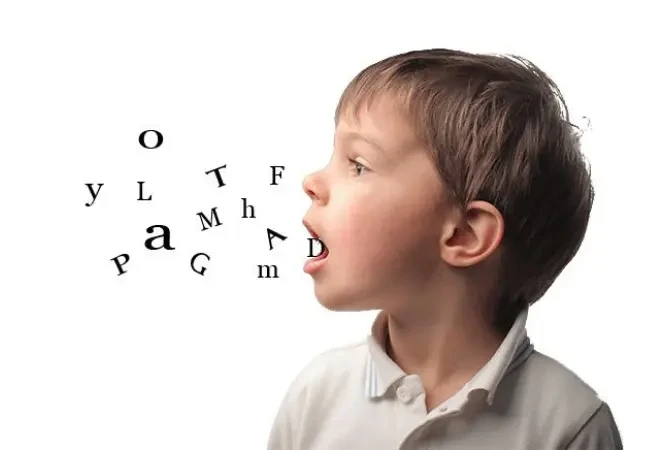
Learn about key speech milestones by age and discover how to support your child's speech and language development at home.
Gender affirmation surgery explained - the process, the risks, and what recovery really looks like, with guidance from EMC Hospital.

Learn the best snake bite treatment, including first aid, emergency care, antivenom, symptoms, and essential steps to take after a snake bite.
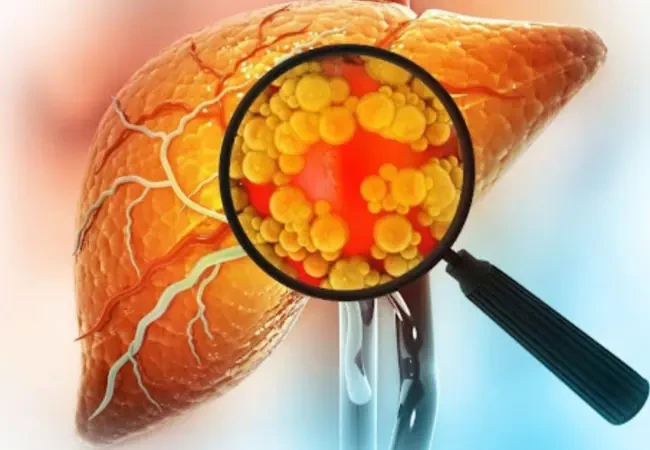
Learn why fatty liver disease is increasing among young adults, the key risk factors, early warning signs, and steps to support better liver health.

Leptospirosis cases rise sharply during monsoon due to floodwater and rat urine exposure. Learn the symptoms, causes, treatment and prevention tips here.

Healthcare banner illustrating thyroid disorders in women with hormone balance, thyroid screening, and early diagnosis concepts.
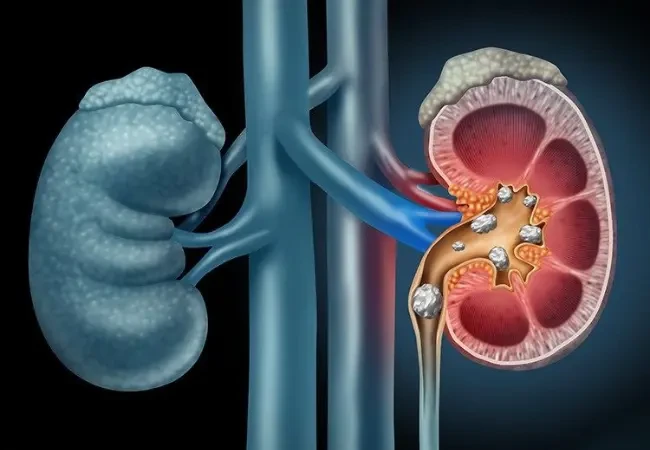
Learn how to identify kidney stones, recognize early symptoms, understand the causes, diagnosis, treatment options, and tips to prevent recurrence.

Learn the 10 warning signs you should never ignore, from unexplained weight loss to persistent cough and chest pain. Know when to seek medical attention.

 Mail
Mail  Booking
 WhatApp