
Fatty liver disease in young adults is becoming more common because of rising obesity, sedentary routines, poor diets high in sugar and processed food, and insulin resistance. Few cases only show symptoms early on, through fatigue, mild abdominal discomfort. Blood tests and scans usually catch it before visible symptoms do.
More people in their 20s and 30s are being diagnosed with fatty liver disease in young adults, a trend that has caught the attention of doctors who once associated this condition almost entirely with older, heavier patients. The shift isn't sudden, but it has picked up pace over the last decade, tied closely to changes in how younger people eat, move, and live day to day. At EMC Hospital, we have seen this pattern show up more frequently in routine check-ups, often in people who don't consider themselves at risk.
This article looks at why fatty liver is seen more in young adults, fatty liver symptoms to watch for, and how the fatty liver condition differs from the version doctors have traditionally treated in older patients.
A few decades ago, liver specialists rarely expected to see fat buildup in the livers of people under 30. That has changed. Diets built around processed snacks, sugary drinks and fast food have become the norm rather than the exception for a large share of young adults. Combine that with long hours sitting at desks or in front of screens, and the body ends up storing fat it would otherwise burn off.
Hepatic steatosis, the medical term for fat accumulation in liver cells, doesn't need alcohol to develop. Non-alcoholic causes now account for the majority of cases in this age group, which surprises many patients who assumed liver problems only came from drinking.
Most people with early-stage liver fat accumulation don't feel unwell at all. This is exactly why the condition tends to be picked up during blood tests done for unrelated reasons.
When fatty liver warning signs do appear, the symptoms are usually vague:
If the fatty liver condition progresses without treatment, symptoms can become harder to ignore. These include jaundice, swelling in the legs or abdomen, and noticeable weight loss without trying. Reaching this stage usually means the liver has sustained more damage, so catching things earlier makes a real difference.
Metabolic disorders like diabetes, hypertension, dyslipidemia, hypothyroidism, sedentary lifestyle with unhealthy diet, alcohol and very rarely some genetic conditions.
Insulin resistance and fatty liver frequently occur together. When cells stop responding properly to insulin, blood sugar stays elevated, prompting the liver to store more fat than it should. Over time, this creates a cycle that's difficult to reverse without changes to diet and activity levels.
Visceral obesity, meaning fat stored around internal organs rather than just under the skin, is one of the strongest predictors of liver fat buildup. It's possible to carry this type of fat without looking overweight, which is part of why some young adults with fatty liver are surprised by their diagnosis.
| Factor | Young Adults | Older Adults |
| Typical trigger | Diet, insulin resistance, visceral obesity | Long-term alcohol use, ageing metabolism |
| Symptom visibility | Often silent for years | Symptoms may appear sooner due to cumulative damage |
| Reversibility | Higher, with early lifestyle changes | Lower, due to longer disease duration |
| Common detection method | Routine blood tests, incidental scans | Symptom-driven diagnosis |
| Associated conditions | Type 2 diabetes, obesity, PCOS | Cirrhosis, long-standing metabolic disease |
According to a research project based at the University of Bristol, 1 in 5 young adults aged around 24 show signs of fatty liver disease. This research project tracks a large group of people born in the early 1990s. The same research noted that 1 in 40 young adults in the study already had detectable liver scarring. Figures like these explain why doctors are now recommending earlier screening rather than waiting for fatty liver symptoms to show up.
Q1: Can fatty liver disease in young adults be reversed?
A1: Yes, in many cases. Early-stage fat buildup often improves with changes to diet, regular exercise, and gradual weight loss, especially when caught before scarring develops.
Q2: Does fatty liver disease always cause pain?
A2: No. Many people feel nothing at all in the early stages. Pain, when it does occur, is usually a dull ache under the right ribs rather than sharp discomfort.
Q3: Is fatty liver disease only linked to being overweight?
A3: Not always. Some people with a normal body weight still develop fatty liver, particularly if they carry excess fat internally or have insulin resistance.
Q4: How is fatty liver disease usually diagnosed?
A4: Doctors usually start with blood tests to check liver enzymes, followed by an ultrasound or other imaging if results suggest fat buildup.
Q5: Should young adults get screened even without symptoms?
A5: It's worth considering, especially with risk factors like excess weight, a sedentary lifestyle, or a family history of liver or metabolic conditions.
Fatty liver disease in young adults has moved from being an unusual finding to something doctors now watch for routinely. Diet, inactivity, insulin resistance and visceral fat all play a part, and because early symptoms are so easy to miss, regular check-ups matter more than they used to. Catching the condition early gives the liver a genuine chance to recover, which is far harder once damage has progressed.
If you are concerned about your liver health or haven't had a check-up in a while, book a consultation with EMC Hospital and we will help you understand fatty liver condition and what steps, if any, should be taken.
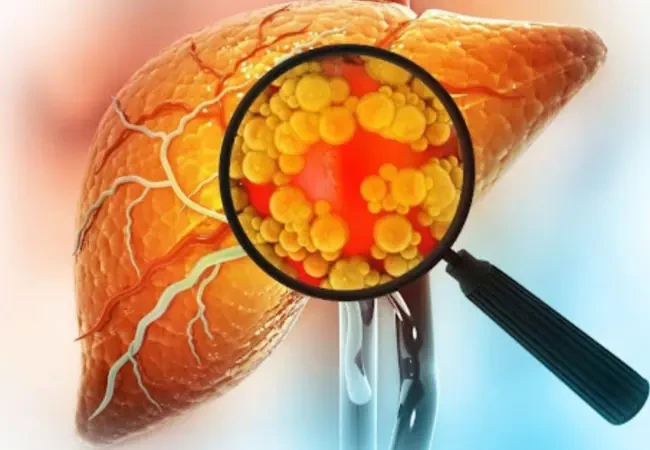
Learn why fatty liver disease is increasing among young adults, the key risk factors, early warning signs, and steps to support better liver health.

Leptospirosis cases rise sharply during monsoon due to floodwater and rat urine exposure. Learn the symptoms, causes, treatment and prevention tips here.

Healthcare banner illustrating thyroid disorders in women with hormone balance, thyroid screening, and early diagnosis concepts.
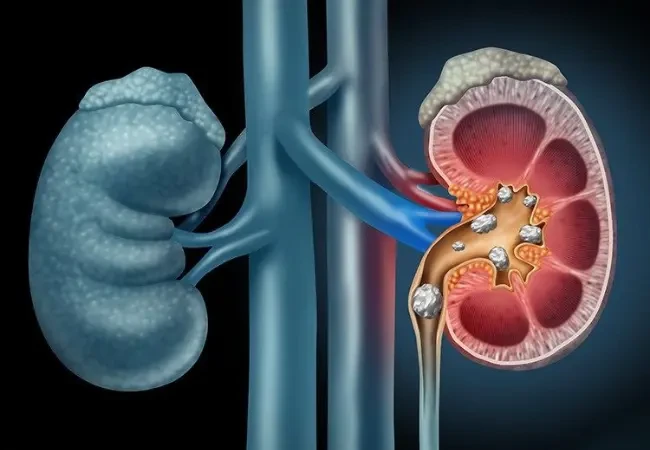
Learn how to identify kidney stones, recognize early symptoms, understand the causes, diagnosis, treatment options, and tips to prevent recurrence.

Learn the 10 warning signs you should never ignore, from unexplained weight loss to persistent cough and chest pain. Know when to seek medical attention.
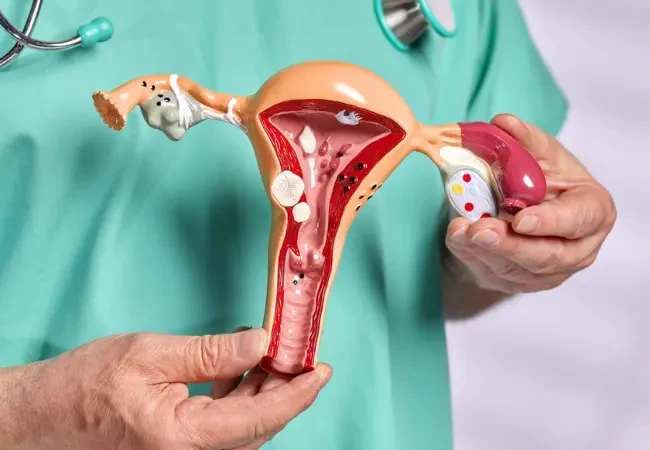
PCOS is now PMOS. Discover why the name changed, what PMOS means, and how the update improves understanding of this hormonal and metabolic condition.
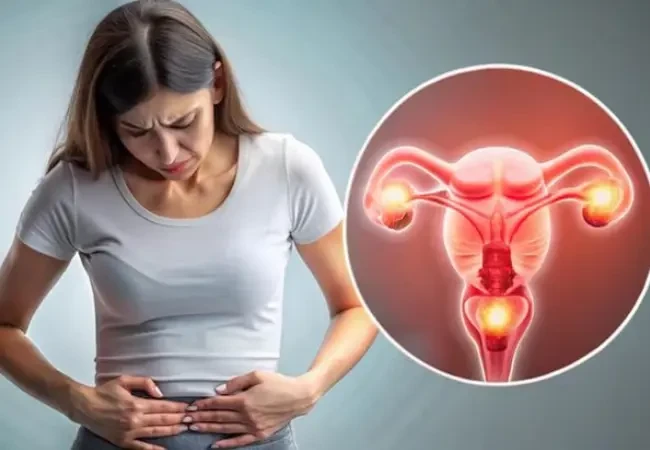
Discover why PCOS cases are increasing in young women, the key risk factors, early symptoms, and lifestyle changes that can help manage the condition.
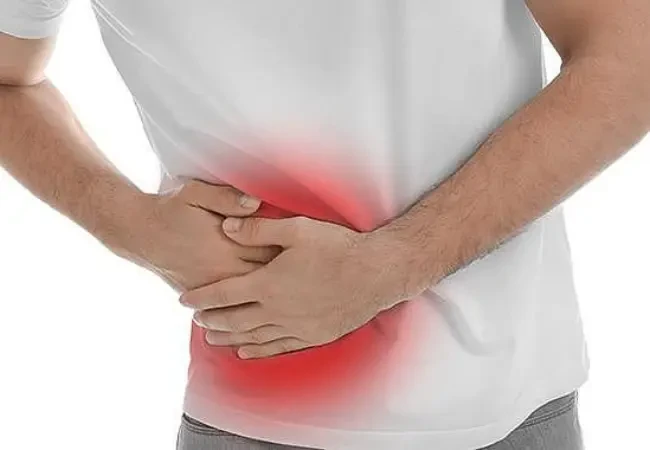
Discover the warning signs of appendicitis, from lower right abdominal pain to fever and nausea. Early diagnosis can prevent serious complications.
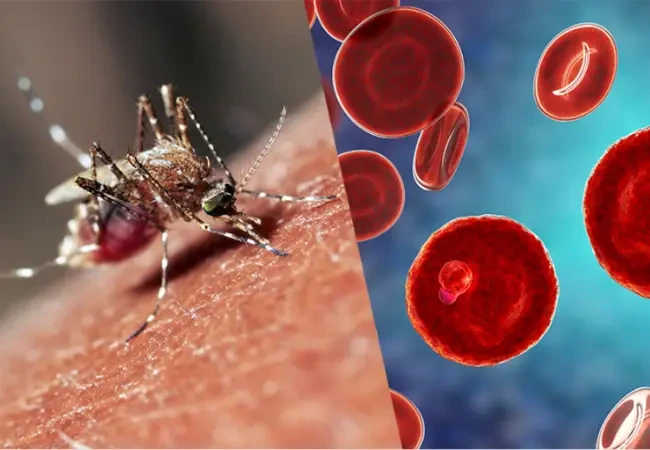
Monsoon increases the risk of mosquito-borne diseases. Learn how to prevent dengue, malaria, and chikungunya with simple precautions and healthy habits.

Planning a pregnancy after 35? Discover essential information on fertility, pregnancy risks, prenatal care, and healthy lifestyle tips for mothers-to-be.

 Mail
Mail  Booking
 WhatApp