
 Medically reviewed by: https://emccochin.com/dr-joby-abraham - Written by Riya Yacob - Updated on 23/06/2026
Do you know that appendicitis is the most common abdominal surgical emergency in the world? While that may not sound alarming, the consequences of missing it can be very serious. A ruptured appendix can spread infection throughout the abdominal cavity, which becomes a far more complicated medical situation than an appendectomy.
The appendix is located in the lower right side of the abdomen, attached to the large intestine. When it becomes blocked, usually by hardened stool, mucus, or sometimes infection, bacteria multiply rapidly inside it. Without treatment, the pressure builds until it ruptures.
The pain moves because of how the nervous system processes the inflammation. Early on, the brain registers the discomfort as coming from the centre of the abdomen. As the inflammation worsens and the surrounding tissue becomes irritated, the pain localises to the lower right quadrant.
Before we go through the other symptoms, it is worth being clear about the pain itself. It is not always sharp or dramatic, especially in the beginning. Many people describe it as a nagging ache that does not quite go away.
What makes it more suspicious than a usual stomach upset is:
Symptoms typically escalate over 12 to 48 hours, and around 75% of people experience recognisable signs within 24 hours of inflammation beginning.
Malaise is one of those symptoms that is easy to brush off. You feel run down, tired, and not quite yourself. Your motivation drops, and there are chances that you might feel like only staying in bed even if there is only mild abdominal pain.
This general sense of illness is the body's response to ongoing inflammation, and a warning signal that something internal is not proper. Malaise does not necessarily indicate appendicitis. But when it occurs alongside lower right abdominal pain, nausea, and the other symptoms listed here, it becomes part of a picture worth taking seriously.
Fever develops as the immune system responds to the growing infection inside the appendix. Approximately 40% of people with acute appendicitis are febrile at the time they arrive for medical assessment. In the early stages, the temperature may only be slightly elevated. As the inflammation progresses or if the appendix begins to rupture, fever may rise. A temperature that climbs alongside worsening abdominal pain is a reason to go to hospital without delay. It is not something to manage at home with paracetamol and hope it passes.
Appendicitis can sometimes mimic a urinary tract infection. The location of the appendix in the lower right abdomen can cause it to press against bladder nerves when it becomes inflamed. This may cause a feeling of needing to urinate more frequently or more urgently than usual, and some people even experience discomfort or a mild burning sensation when urinating.
This can lead to a misdiagnosis if urinary symptoms are the most noticeable complaint, particularly in women, where appendicitis is known to mimic gynaecological and urinary conditions. If you have been treated for a UTI and the discomfort is not improving, and you also have lower abdominal pain, it is worth getting assessed for appendicitis.
Usually, abdominal distension occurs later in the process, when the belly looks or feels bloated. It reflects increasing inflammation and the disruption of normal gut function. Gas accumulates because the bowel has slowed or stopped moving. And touching the abdomen may cause it to feel hard or tender as well.
It can be an indication that appendicitis is progressing when a swollen belly appears alongside other early symptoms. A ruptured appendix may briefly reduce pain as the pressure releases, but this is followed by a rapid spread of infection and a return of severe, widespread abdominal pain. Do not interpret a sudden reduction in pain as a good sign if other symptoms are still present.
Not everyone with appendicitis experiences diarrhoea, but it does occur. The inflammation irritates the colon, which sits nearby, and this can trigger looser or more frequent bowel movements. Some people experience the opposite: constipation and an inability to pass gas.
Because diarrhoea is associated with so many common conditions such as food poisoning, gastroenteritis, and irritable bowel, it rarely raises immediate concern on its own. The key is whether it appears together with persistent lower right abdominal pain, fever, and malaise. That combination is not typical of a standard stomach bug.
There is a possibility that the gut can temporarily stop working in more advanced cases of appendicitis. This is known as paralytic ileus. The intestines essentially pause their normal movement, leading to a bloated, uncomfortable abdomen with no bowel sounds, an inability to pass gas, and a feeling of fullness that does not shift.
This happens because the body redirects its resources towards managing the infection. Bowel paralysis at this stage is a sign that medical help is urgently needed. It rarely appears early in the condition, but when it does, it indicates that inflammation has become severe.
Don't wait for your symptoms or pain to improve on their own. If you have lower right abdominal pain that is getting worse, particularly with two or more of the following, go to hospital:
Appendicitis does not resolve on its own. Early diagnosis means a straightforward surgical procedure. Delayed diagnosis means a much harder recovery.
At EMC Hospital, we understand how important it is to act quickly when abdominal symptoms do not feel right. Our surgical and emergency care team is experienced in diagnosing and managing appendicitis at every stage. If you are concerned about symptoms in yourself or a family member, please do not hesitate to reach out to us.
Q1: How does appendicitis pain feel different from a regular stomach ache?
A1: Appendicitis pain usually starts around the belly button and gradually moves to the lower right side of the abdomen over a few hours. It tends to get worse with movement, coughing, or pressing on that area. A normal stomach ache from gas, indigestion, or a stomach bug typically shifts around, improves with rest or after a bowel movement, and does not steadily worsen over 12 to 24 hours. The pattern of the pain, not just its intensity, is what makes appendicitis different.
Q2: Can appendicitis symptoms come and go?
A2: In most cases, acute appendicitis symptoms do not come and go. They build progressively over hours. However, there is a form called chronic appendicitis, where symptoms are less severe and can fluctuate over a longer period, sometimes weeks. This makes it harder to identify. If you have had recurring lower right abdominal pain that resolves on its own and then returns, it is still worth mentioning to a doctor rather than assuming it is nothing.
Q3: Is appendicitis more common in a particular age group?
A3: Appendicitis can affect people of all ages, but it is most commonly seen in those between 10 and 30 years old. It is less common in young children and older adults, though when it does occur in these groups, diagnosis can be more difficult because the symptoms may not present in the typical way. In older adults, for example, pain may be less pronounced, and fever may be absent, which can delay recognition and treatment.

Discover the warning signs of appendicitis, from lower right abdominal pain to fever and nausea. Early diagnosis can prevent serious complications.

Monsoon increases the risk of mosquito-borne diseases. Learn how to prevent dengue, malaria, and chikungunya with simple precautions and healthy habits.

Planning a pregnancy after 35? Discover essential information on fertility, pregnancy risks, prenatal care, and healthy lifestyle tips for mothers-to-be.

Unexplained weight loss can be a sign of stress, diabetes, thyroid problems, digestive disorders, or other health conditions. Learn the possible causes, warning signs, and when to see a doctor.
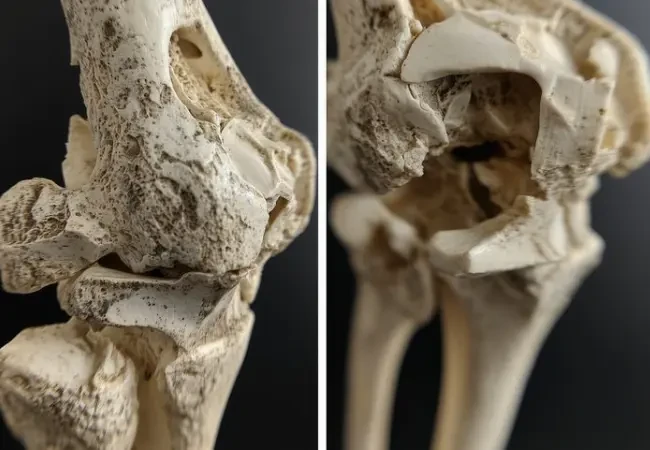
Osteoporosis is a medical condition where bones become thin, brittle, and also fragile due to a steady decline in mineral density. The early diagnosis of osteoporosis is the most effective way to prevent life-changing fractures by identifying the problem before a break occurs.

Understand high-risk pregnancy, its common causes, potential complications, warning signs, and essential preventive care for a safer motherhood journey.

Recognize the early symptoms of hernia, including swelling, pain, and abdominal discomfort. Learn the causes, warning signs, and when to seek medical attention.
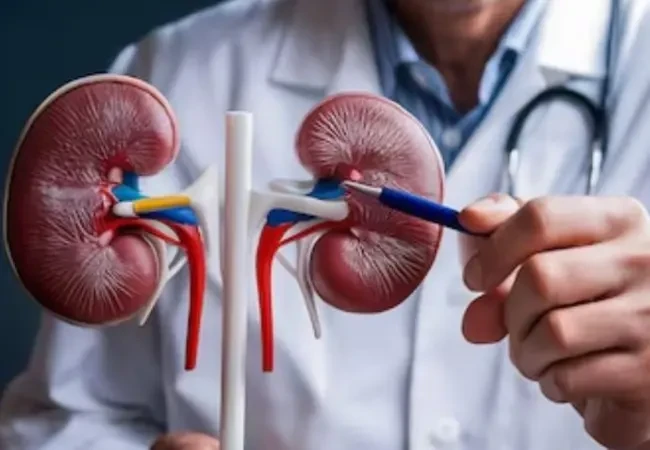
Learn the early symptoms of common urological disorders including UTIs, bladder problems, and prostate issues. Know when to seek medical help.

Discover how career counselling helps students choose the right path with aptitude tests, expert guidance, and informed decision-making for a successful future.

Discover why children snore, signs of sleep apnea, health risks, and the best treatment options to improve your child's sleep and breathing.

 Mail
Mail  Booking
 WhatApp